Adenoidid: Understanding the Hidden Cause Behind Breathing and Throat Problems

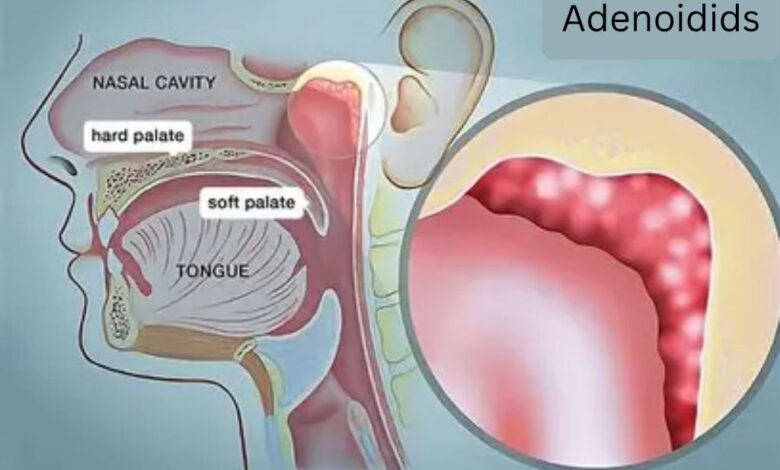
Health issues in children often appear simple on the surface—runny noses, mild fevers, or occasional snoring. But sometimes, these everyday symptoms point to a deeper condition that often goes unnoticed. One such condition is adenoidid, a term commonly used for inflammation of the adenoids. While it may not sound serious at first, adenoidid can significantly affect breathing, sleep quality, and overall well-being, especially in young children.
This article takes a deep, detailed look at adenoidid—what it is, why it happens, how it affects the body, and what can be done to manage or treat it effectively.
What Is Adenoidid?
Adenoidid refers to the inflammation or infection of the adenoids, which are small glands located behind the nose, at the top of the throat. These glands are part of the immune system and act as the body’s first line of defense against harmful bacteria and viruses that enter through the nose or mouth.
In early childhood, adenoids play an important role in building immunity. However, when they become swollen due to infection or irritation, they can cause a range of uncomfortable symptoms. This swollen state is what we call adenoidid.
Although adenoidid is more common in children, it can occasionally affect teenagers and adults as well.
The Role of Adenoids in the Body
To understand adenoidid, it is important to first understand the function of adenoids. These glands are made up of lymphatic tissue, similar to the tonsils. Their main job is to trap germs and help the body produce antibodies to fight infections.
During childhood, when the immune system is still developing, adenoids are highly active. They help recognize harmful microorganisms and train the body to defend itself. As a person grows older, the immune system becomes stronger, and the adenoids gradually shrink and become less important.
However, during their active phase, they are also more vulnerable to infections and inflammation, which leads to adenoidid.
What Causes Adenoidid?
Adenoidid does not occur without reason. It usually develops as a response to infection or irritation. One of the most common causes is viral infection. Viruses responsible for colds and flu can easily infect the adenoids, leading to swelling and discomfort.
Bacterial infections are another major cause. When bacteria invade the adenoids, they can cause more severe inflammation, often requiring medical treatment.
Allergies also play a significant role. Children who are sensitive to dust, pollen, or environmental pollutants may develop chronic irritation in their nasal passages, which can extend to the adenoids and result in adenoidid.
Environmental factors cannot be ignored either. Constant exposure to smoke, pollution, or strong chemical irritants can weaken the body’s defenses and trigger inflammation in the adenoids.
In some cases, repeated infections can cause the adenoids to remain enlarged for a long time, leading to chronic adenoidid.
Common Symptoms of Adenoidid
The symptoms of adenoidid can vary depending on how severe the inflammation is. In mild cases, it may look like a common cold. However, persistent or worsening symptoms often indicate something more serious.
One of the most noticeable signs is difficulty breathing through the nose. When the adenoids swell, they block the nasal airway, forcing the person to breathe through the mouth. This can lead to dryness in the mouth and throat.
Snoring is another common symptom. Children with adenoidid often snore loudly during sleep due to blocked air passages. In some cases, this may even lead to sleep disturbances or interrupted breathing.
A constant runny or blocked nose is also typical. Unlike a normal cold, this condition may last for weeks or keep coming back.
Other symptoms include sore throat, fever, bad breath, and a nasal-sounding voice. Younger children may also face difficulty feeding due to breathing issues.
If left untreated, adenoidid can also lead to ear problems, as the swelling may block the Eustachian tubes, which connect the ears to the throat.
How Adenoidid Affects Daily Life
Adenoidid is not just a minor inconvenience—it can significantly impact daily life, especially for children. Breathing difficulties can make it hard to concentrate, play, or even sleep properly.
Poor sleep is one of the biggest concerns. Children with adenoidid may wake up frequently at night or experience restless sleep. Over time, this can lead to fatigue, irritability, and reduced academic performance.
Mouth breathing, which becomes a habit due to blocked nasal passages, can also affect facial development in young children. It may lead to changes in jaw alignment and dental structure if it continues for a long time.
Additionally, frequent infections can weaken the immune system, making the child more prone to other illnesses.
Diagnosis of Adenoidid
Diagnosing adenoidid requires careful evaluation by a medical professional. Doctors usually begin by asking about symptoms and medical history.
A physical examination of the throat and nasal area helps identify visible signs of inflammation. However, since adenoids are located deep behind the nose, they are not always easy to see directly.
In many cases, doctors use a small flexible camera, known as an endoscope, to get a clear view of the adenoids. This procedure is quick and provides accurate information about the size and condition of the glands.
Additional tests may be recommended if complications are suspected, such as hearing tests or imaging studies.
Treatment Options for Adenoidid
The treatment of adenoidid depends on its severity and underlying cause. In mild cases, the condition may resolve on its own with proper rest and care.
Medications are often the first line of treatment. If the cause is bacterial, antibiotics may be prescribed to eliminate the infection. For inflammation caused by allergies, antihistamines or nasal sprays can help reduce swelling.
Pain relievers and fever reducers may also be used to manage discomfort.
However, when adenoidid becomes chronic or repeatedly returns, surgical intervention may be necessary. The procedure, known as adenoidectomy, involves removing the adenoids.
This surgery is generally safe and commonly performed in children. It is recommended when the enlarged adenoids cause severe breathing problems, frequent infections, or sleep disturbances.

Recovery and Prognosis
The outlook for individuals with adenoidid is generally positive. Most cases improve with proper treatment and care.
If medication is effective, symptoms usually resolve within a week or two. In cases where surgery is performed, recovery is typically quick, and most children return to normal activities within a few days.
Once the adenoids are removed, the chances of recurrence are very low. Additionally, other parts of the immune system continue to protect the body, so there is no major long-term impact on immunity.
Preventing Adenoidid
While it may not always be possible to prevent adenoidid completely, certain steps can reduce the risk.
Maintaining good hygiene is one of the most effective ways. Regular handwashing and avoiding close contact with infected individuals can help prevent the spread of germs.
Keeping the environment clean and free from smoke or pollutants is equally important. Children should not be exposed to cigarette smoke or heavy dust.
Managing allergies properly can also prevent chronic irritation of the adenoids. This may include avoiding known allergens and using prescribed medications when necessary.
A healthy lifestyle, including a balanced diet and proper sleep, strengthens the immune system and helps the body fight infections more effectively.
When to See a Doctor
It is important to seek medical attention if symptoms persist for more than a few days or keep returning frequently. Difficulty breathing, loud snoring, or signs of sleep disturbance should not be ignored.
Parents should also watch for changes in behavior, such as unusual tiredness or difficulty concentrating, as these may be linked to poor sleep caused by adenoidid.
Early diagnosis and treatment can prevent complications and ensure better outcomes.
Final Thoughts
Adenoidid may seem like a minor issue at first, but its impact on breathing, sleep, and overall health makes it an important condition to understand. With the right awareness, timely diagnosis, and proper treatment, it can be managed effectively without long-term consequences.
Whether mild or severe, adenoidid should never be ignored. Paying attention to symptoms and taking early action can make a significant difference in improving quality of life, especially for children who rely on healthy breathing and restful sleep for their growth and development.
FAQs
What is adenoidid?
Explanation
Adenoidid is the inflammation or infection of the adenoid glands located behind the nose, which can cause breathing and throat-related problems, especially in children.
What are the main symptoms of adenoidid?
Key Symptoms
The most common symptoms of adenoidid include a blocked nose, mouth breathing, snoring, sore throat, fever, and disturbed sleep.
Is adenoidid a serious condition?
Severity Insight
Adenoidid is usually mild, but if left untreated, it can lead to complications like ear infections, breathing issues, and sleep disorders.
How is adenoidid treated?
Treatment Options
Treatment for adenoidid includes medications such as antibiotics, nasal sprays, and antihistamines. In severe cases, surgery may be required.
Can adults develop adenoidid?
Age Factor
Although adenoidid is more common in children, adults can also develop it due to infections or chronic allergies.
How long does adenoidid last?
Duration
Mild cases of adenoidid usually last one to two weeks, while chronic cases may take longer and require medical treatment.
When should I see a doctor for adenoidid?
Medical Advice
You should consult a doctor if symptoms persist, worsen, or cause breathing difficulties and sleep problems.
Can adenoidid be prevented?
Prevention Tips
Adenoidid can be prevented by maintaining hygiene, avoiding smoke and pollution, and managing allergies properly.