Skisofreen: Understanding the Meaning Behind the Term and the Reality of Schizophrenia

Introduction: When Language Meets Mental Health
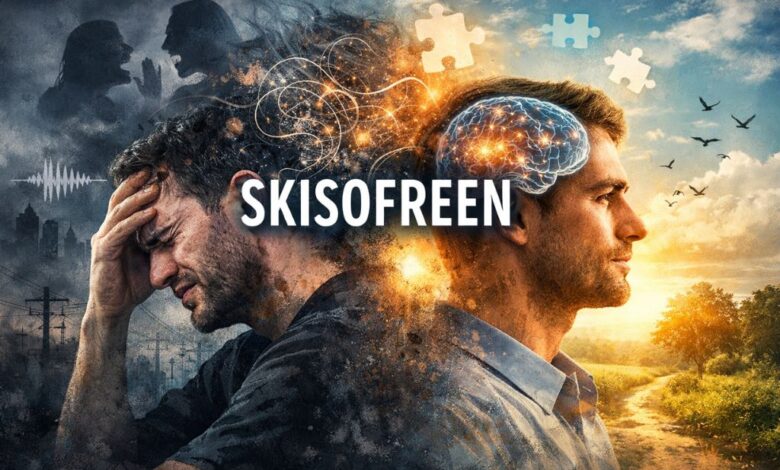
In the digital age, the way people search for information often reveals as much about language as it does about knowledge gaps. One such example is the term “skisofreen.” While not formally recognized in medical literature, it frequently appears in online searches and informal discussions. In reality, “skisofreen” is widely understood to be a linguistic variation or misspelling of schizophrenia, a complex and often misunderstood mental health condition.
This article explores the meaning behind “skisofreen,” clarifies its connection to schizophrenia, and offers a comprehensive look at the disorder itself—its symptoms, causes, treatment, and the social perceptions that continue to shape its narrative.
The Origins and Meaning of “Skisofreen”
“Skisofreen” does not exist as a clinical diagnosis. Instead, it appears to stem from transliterations or spellings used in different languages, such as “skisofrenie” or “skisofreenia.” These variations closely resemble the English term “schizophrenia,” suggesting that the word has traveled across linguistic boundaries and evolved in spelling along the way.
In many cases, individuals using the term “skisofreen” are not referring to a different condition, but rather to schizophrenia itself. This highlights an important point: the global conversation around mental health is expanding, but not always with consistent terminology. Understanding these variations helps bridge gaps in awareness and ensures that accurate information reaches a wider audience.
What Is Schizophrenia? A Closer Look
Schizophrenia is a chronic psychiatric disorder that affects how a person perceives reality, processes thoughts, and interacts with the world. It is not simply a condition of “confusion” or “split personality,” as is often mistakenly believed. Instead, it is a multifaceted disorder that can alter perception, cognition, and emotional expression in profound ways.
Typically emerging in late adolescence or early adulthood, schizophrenia can disrupt education, careers, relationships, and overall quality of life. However, with proper treatment and support, many individuals manage their symptoms effectively and lead meaningful lives.
The Symptom Spectrum: More Than Meets the Eye
One of the defining characteristics of schizophrenia is the diversity of its symptoms. These are generally categorized into positive, negative, and cognitive symptoms—each representing a different dimension of the disorder.
Positive symptoms refer to experiences that are added to a person’s normal functioning. These include hallucinations, such as hearing voices that are not present, and delusions, which are deeply held beliefs that persist despite clear evidence to the contrary. Disorganized thinking, often reflected in speech that is difficult to follow, is also a hallmark feature.
Negative symptoms, by contrast, involve the reduction or absence of normal behaviors. A person may withdraw socially, lose motivation, or exhibit a diminished emotional range. These symptoms can be particularly challenging, as they often affect daily functioning and are less responsive to treatment.
Cognitive symptoms, though less visible, play a critical role in shaping the individual’s experience. Difficulties with attention, memory, and decision-making can interfere with work, education, and personal independence.
Causes and Risk Factors: A Complex Interplay
The exact cause of schizophrenia remains unknown, but research consistently points to a combination of genetic, biological, and environmental factors.
Genetics plays a significant role; individuals with a family history of schizophrenia are at a higher risk of developing the condition. However, genetics alone do not determine outcome. Brain chemistry, particularly involving neurotransmitters such as dopamine, is also believed to contribute to symptom development.
Environmental influences further complicate the picture. Exposure to high levels of stress, traumatic experiences, substance use—especially during adolescence—and complications during pregnancy or birth have all been associated with increased risk. Rather than a single cause, schizophrenia is best understood as the result of multiple interacting factors.
Diagnosis and Treatment: Managing a Lifelong Condition
Diagnosing schizophrenia requires careful evaluation by mental health professionals. There is no single test; instead, clinicians assess patterns of behavior, reported experiences, and the duration of symptoms. Early diagnosis is crucial, as timely intervention can significantly improve long-term outcomes.
Treatment typically involves a combination of medication and psychosocial support. Antipsychotic medications are the cornerstone of treatment, helping to reduce hallucinations, delusions, and thought disturbances. Alongside medication, therapies such as cognitive behavioral therapy can assist individuals in managing symptoms and improving coping strategies.
Equally important are social support systems. Family involvement, community programs, and rehabilitation services can help individuals regain independence and reintegrate into society. Treatment is not about “curing” schizophrenia, but about enabling individuals to live stable and fulfilling lives.
Breaking the Myths: Challenging Misconceptions
Few mental health conditions are as burdened by stigma as schizophrenia. Misconceptions—often reinforced by media portrayals—have led to widespread misunderstanding and fear.
One of the most persistent myths is that schizophrenia involves multiple personalities. In reality, it has nothing to do with dissociative identity disorder. Another misconception is that individuals with schizophrenia are inherently dangerous. While some may experience severe symptoms, the vast majority are not violent and are more likely to be vulnerable than threatening.
These misunderstandings not only distort public perception but also discourage individuals from seeking help. Addressing stigma is therefore as important as advancing treatment.
The Importance of Awareness in a Global Context
The emergence of terms like “skisofreen” underscores the need for accessible and culturally inclusive mental health education. As information crosses borders, so do variations in language and understanding. Recognizing these differences allows educators, writers, and healthcare providers to communicate more effectively.
By meeting people where they are—whether they search for “skisofreen” or “schizophrenia”—we can ensure that accurate, compassionate, and useful information is within reach.
Conclusion: From Misunderstanding to Clarity
“Skisofreen” may not be a medically accurate term, but it represents a genuine attempt to understand a complex condition. Behind the spelling lies a broader story about mental health awareness, linguistic diversity, and the ongoing effort to make knowledge more accessible.
Schizophrenia remains one of the most challenging psychiatric disorders, yet it is also one of the most misunderstood. Through education, empathy, and continued research, society can move toward a more informed and supportive approach—one that replaces confusion with clarity, and stigma with understanding.
In the end, whether one calls it “skisofreen” or schizophrenia, the goal remains the same: to deepen awareness, support those affected, and foster a world where mental health is approached with both knowledge and compassion.