Introduction
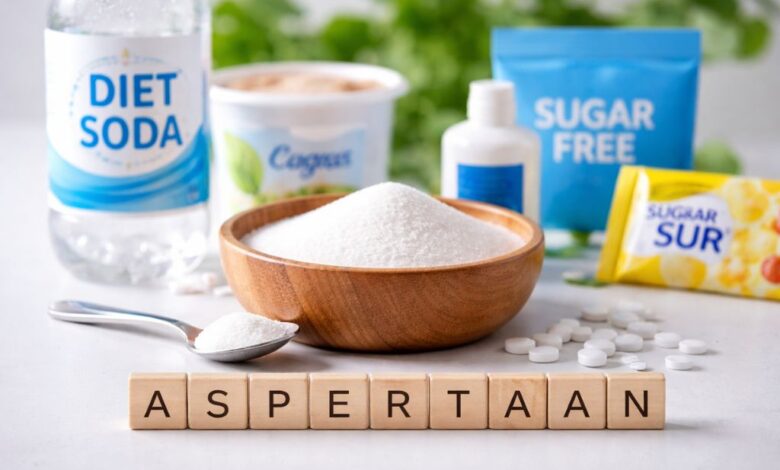
The term aspertaan has increasingly appeared across blogs, forums, and health discussions, often surrounded by curiosity and confusion. At first glance, it may seem like a newly discovered chemical or a controversial additive. In reality, aspertaan is not a formally recognized scientific term. It is widely understood to be a variation, misspelling, or alternative reference to aspartame, one of the most extensively used artificial sweeteners in the modern food industry. ()
Despite the ambiguity of its name, the substance it refers to has a long history, a well-documented scientific profile, and a significant presence in everyday diets. This article explores aspertaan in depth—its identity, chemical structure, history, applications, health implications, and the ongoing debates surrounding its use.
What Is Aspertaan?
In most contexts, aspertaan refers directly to aspartame, a low-calorie artificial sweetener used as a substitute for sugar. It is approximately 200 times sweeter than sucrose (table sugar), allowing manufacturers to achieve the same level of sweetness with minimal quantities. ()
The term itself is not standardized in scientific literature. Instead, it has emerged through phonetic spelling variations, online content, and informal usage. Understanding this distinction is essential: aspertaan is not a new compound but a commonly miswritten or rebranded reference to an already well-known additive.
Chemical Composition and Properties
Aspartame (and by extension, aspertaan) is a synthetic compound derived from two naturally occurring amino acids:
- Aspartic acid
- Phenylalanine
These are combined in the form of a methyl ester, creating a compound scientifically known as aspartyl-phenylalanine methyl ester. ()
Key Characteristics
- High sweetness intensity: Around 180–200 times sweeter than sugar ()
- Low caloric contribution: Minimal calories due to small required quantities
- White, odorless powder: Common form used in food production
- Limited heat stability: Breaks down at high temperatures, making it unsuitable for baking ()
Because of its potency, even though it contains calories per gram similar to sugar, its real-world caloric impact is negligible.
Historical Background
Aspartame was accidentally discovered in 1965 by chemist James M. Schlatter while working on a pharmaceutical project. ()
After years of testing and regulatory review, it was:
- Initially approved by the U.S. Food and Drug Administration (FDA) in 1974
- Re-approved in 1981 after further evaluation ()
Since then, its use has expanded globally, becoming one of the most widely studied and utilized food additives in history.
How Aspertaan Works in the Body
When consumed, aspertaan (aspartame) is rapidly broken down in the digestive system into three components:
- Phenylalanine (about 50%)
- Aspartic acid (about 40%)
- Methanol (about 10%) ()
These substances are not foreign to the human body—they are also found in many natural foods such as fruits, vegetables, and dairy products.
Metabolic Process
- Absorbed in the small intestine
- Converted into basic compounds used in normal metabolism
- Not accumulated in the bloodstream due to rapid breakdown ()
This metabolic pathway is a key reason why regulatory bodies consider it safe under controlled consumption levels.
Applications and Uses
Aspartame (aspertaan) is present in thousands of consumer products worldwide, particularly those marketed as low-calorie or sugar-free. ()
Common Uses
- Diet soft drinks and flavored beverages
- Sugar-free chewing gum and candies
- Yogurt and dairy products
- Gelatin desserts and powdered drink mixes
- Chewable vitamins and pharmaceuticals ()
Its ability to deliver sweetness without adding significant calories makes it especially valuable in products aimed at weight management and blood sugar control.
Benefits of Aspertaan
1. Reduced Calorie Intake
Because of its high sweetness, very small quantities are needed, significantly lowering calorie consumption compared to sugar.
2. Blood Sugar Control
Aspartame does not cause the same rapid increase in blood glucose levels as sugar, making it suitable for many individuals with diabetes. ()
3. Versatility in Food Industry
It enables manufacturers to produce “diet” or “light” versions of popular products without sacrificing taste.
4. Dental Health Advantage
Unlike sugar, it does not contribute to tooth decay, making it a common ingredient in sugar-free gums.
Safety and Regulatory Approval
Aspartame is one of the most extensively studied food additives in the world. Reviews by over 100 regulatory agencies have concluded that it is safe when consumed within recommended limits. ()
Regulatory Status
- Approved by the FDA, EFSA, WHO, and other global authorities
- Assigned an Acceptable Daily Intake (ADI) level
- Used in more than 6,000 products globally ()
Health organizations generally support its use as part of a balanced diet.
Health Concerns and Controversies
Despite regulatory approval, aspertaan remains a subject of public debate.
Common Concerns
- Cancer Risk
Some studies have explored possible links, but major health organizations have not found conclusive evidence of carcinogenic effects at normal intake levels. () - Neurological Effects
Claims about headaches or mood changes exist, though scientific reviews show limited or inconsistent evidence. () - Metabolic Impact
Some research suggests potential effects on insulin response or gut microbiota, but findings remain inconclusive. () - Long-Term Health Effects
The World Health Organization has noted that while typical consumption is considered safe, continued research is necessary to fully understand long-term impacts. ()
Who Should Avoid Aspertaan?
The primary group that must avoid aspartame is individuals with phenylketonuria (PKU).
- PKU is a genetic disorder that prevents proper metabolism of phenylalanine
- Consumption can lead to harmful buildup in the body
- Products containing aspartame must carry a warning label ()
For the general population, moderate consumption is considered safe.
Aspertaan vs Other Sweeteners
Compared to other sugar substitutes, aspertaan has unique advantages and limitations.
Advantages
- High sweetness intensity
- Widely studied safety profile
- Neutral taste when blended properly
Limitations
- Not heat-stable for cooking
- May have slight aftertaste
- Public perception issues due to controversy
Other alternatives, such as stevia or sucralose, may be preferred in specific applications, but aspartame remains one of the most widely used options globally.
The Role of Aspertaan in Modern Diets
The increasing global focus on reducing sugar intake has significantly boosted the use of artificial sweeteners. Aspertaan plays a central role in this shift by enabling:
- Lower-calorie food options
- Reduced sugar consumption at population levels
- Greater flexibility in food manufacturing
However, its role also highlights a broader discussion about processed foods, dietary habits, and long-term health.
Conclusion
Aspertaan, though not a scientifically recognized term, represents a widely discussed and important ingredient in modern nutrition. By understanding that it refers primarily to aspartame, much of the confusion surrounding it disappears.
Scientifically, it is a well-researched artificial sweetener with clear benefits in reducing sugar intake and calorie consumption. At the same time, it continues to generate discussion due to evolving research and public perception.
For most people, the key takeaway is simple: aspertaan is safe when consumed within recommended limits, but like any food additive, it should be part of a balanced and informed approach to diet.
In a world where food choices are increasingly complex, clarity matters—and understanding what aspertaan really is helps cut through the noise.