Introduction
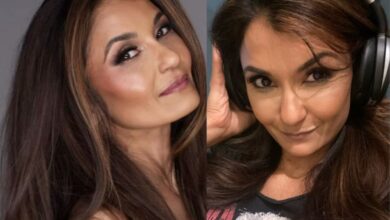
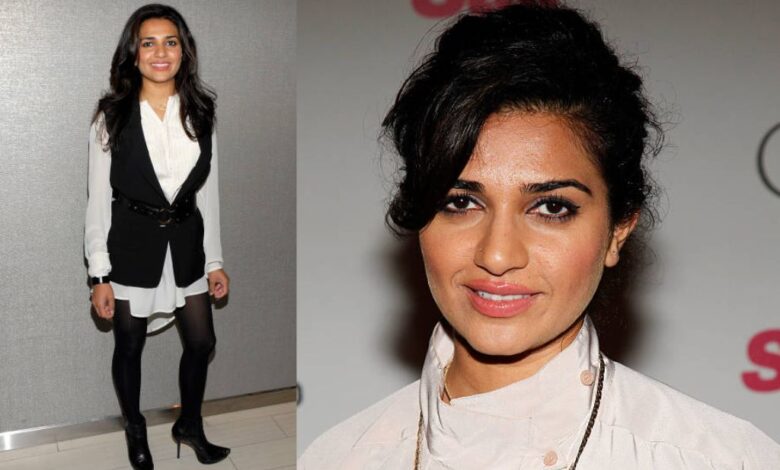
Nadia Ali is a Pakistani-American singer-songwriter who rose to international fame as one of the most distinctive voices in electronic dance music (EDM). Known for her emotional vocal tone and timeless club anthems, she first gained global recognition as the lead vocalist of the electronic duo iiO, before building a successful solo career that cemented her position as one of the most influential female artists in trance and house music.
Her journey from a young immigrant growing up in New York to an internationally recognized EDM icon reflects not only talent and determination but also the evolution of electronic music itself during the 2000s and 2010s.
Early Life and Background
Nadia Ali was born on 3 August 1980 in Tripoli, Libya, into a Pakistani family. Shortly after her birth, her family moved to the United States, where she was raised in Queens, New York. Growing up in a multicultural household exposed her to a blend of Eastern and Western musical influences.
From an early age, she showed a strong interest in music and poetry. However, she initially did not pursue music professionally. Instead, she explored different creative directions while balancing a typical immigrant upbringing in a diverse urban environment.
Her exposure to American pop culture, combined with her South Asian heritage, later played a significant role in shaping her unique vocal identity and emotional expression in music.
Entry into Music and Formation of iiO
Nadia Ali’s professional music journey began in the late 1990s when she met producer Markus Moser. Together, they formed the electronic music duo iiO.
The collaboration marked the beginning of her rise in the global dance music scene.
Breakthrough with “Rapture”
In 2001, iiO released the iconic single “Rapture”, which became an instant international hit. The song achieved:
- #2 position on the UK Singles Chart
- Top 10 placements in multiple European countries
- Heavy rotation in global clubs and radio stations
“Rapture” became a defining track of early 2000s trance-pop music, known for its hypnotic beat and Ali’s soft yet powerful vocals.
The success of this song established Nadia Ali as one of the most recognizable voices in electronic music almost overnight.
Rise to Global Recognition
Following the success of “Rapture,” iiO released several more tracks that strengthened their reputation in the EDM scene. Songs like “At the End” and “Smooth” showcased Ali’s ability to blend emotional depth with danceable electronic production.
Her vocal style stood out in an era when EDM was rapidly evolving. Unlike many electronic tracks focused purely on beats, iiO’s music emphasized lyrical emotion and vocal storytelling, largely due to Nadia Ali’s contribution.
Transition to Solo Career
After years of success with iiO, Nadia Ali decided to pursue a solo career. Her decision marked a turning point, allowing her more creative freedom and artistic control.
In 2009, she released her debut solo album:
Embers (2009)
The album featured a more personal and refined sound, blending EDM with pop and deep house influences. It included major hit singles such as:
- “Love Story” – A chart-topping dance anthem
- “Crash and Burn” – A deeply emotional track
- “Fine Print” – A collaboration with dance producers
“Love Story” in particular reached #1 on the Billboard Dance Chart, proving her success extended beyond iiO and into her independent artistry.
Collaborations with Global DJs
One of the key aspects of Nadia Ali’s career is her extensive collaboration with world-famous DJs and producers. Her voice became highly sought-after in the EDM industry.
She worked with major names such as:
- Armin van Buuren
- Avicii (remix of “Rapture”)
- Morgan Page
- BT
- Starkillers
- Sultan + Shepard
These collaborations resulted in some of the most memorable EDM tracks of the 2010s. Her ability to adapt her voice to different electronic sub-genres made her a versatile and respected artist in the industry.
“Rapture” Remixes and Continued Success
One of the biggest moments in her career revival came when Avicii remixed “Rapture”, introducing her voice to a new generation of EDM fans.
The remix became a global festival favorite and helped re-establish her influence during the EDM boom of the early 2010s.
Even years after its original release, “Rapture” continued to appear in DJ sets worldwide, proving its timeless appeal.
Musical Style and Artistic Identity
Nadia Ali’s music is characterized by a unique blend of:
- Trance and progressive house
- Deep emotional storytelling
- Ethereal vocal delivery
- Middle Eastern musical undertones
Her voice is often described as:
- Emotional yet controlled
- Soft but powerful
- Instantly recognizable
Unlike many EDM vocalists who serve primarily as background elements, Ali’s voice often becomes the centerpiece of the track, shaping its emotional identity.
HYLLS Project and Artistic Reinvention
In 2018, Nadia Ali introduced a new artistic identity called HYLLS. This project marked a departure from EDM and explored more indie-pop and experimental sounds.
Under HYLLS, she released the album:
Once (2019)
This phase of her career represented:
- A shift toward acoustic and indie influences
- More personal songwriting
- A minimalist production style
The HYLLS project demonstrated her willingness to evolve as an artist rather than remain confined to EDM.
Awards and Achievements
Throughout her career, Nadia Ali has received recognition in various forms, including:
- Multiple Billboard Dance Chart #1 hits
- International Dance Music Award nominations and wins
- Contributions to Grammy-recognized remix projects
- Juno Award nomination for collaborations
Her influence extends beyond awards, as her voice has become a staple in electronic music culture.
Personal Life
Despite her fame, Nadia Ali has maintained a relatively private personal life. She is known for keeping her focus on music rather than media attention.
She got married in 2013 and later became a mother in 2018. Her personal experiences have influenced her later songwriting, particularly in her HYLLS project, which reflects more introspective themes.
Influence and Legacy in EDM
Nadia Ali is widely regarded as one of the most influential female vocalists in electronic music history. Her impact includes:
- Helping define the sound of early 2000s trance-pop
- Bridging EDM with mainstream pop music
- Inspiring a generation of female EDM vocalists
- Contributing to the global popularity of festival EDM culture
Even today, her songs continue to be played in clubs, festivals, and streaming platforms worldwide.
Her work with iiO and as a solo artist remains a reference point for producers and vocalists in the electronic music industry.
Conclusion
Nadia Ali stands as a pioneering figure in electronic dance music. From her breakthrough with iiO’s “Rapture” to her successful solo career and experimental HYLLS project, she has continuously evolved while maintaining her signature emotional vocal style.
Her journey reflects not only personal artistic growth but also the transformation of EDM over the past two decades. Today, she remains a respected and influential figure whose music continues to inspire both fans and artists worldwide.