Kääbikud: The Enigmatic Small Folk of Myth, Fantasy, and Tolkien’s Middle-earth

Introduction
The term “kääbikud” is most widely known as the Estonian translation for Hobbits, the small, peaceful humanoid race created by J.R.R. Tolkien in his legendary Middle-earth universe. However, the idea behind kääbikud extends far beyond modern fantasy literature. It connects deeply with ancient European folklore, mythological “little people,” and cultural storytelling traditions that span centuries.
In Tolkien’s world, kääbikud are not just background characters—they represent courage in simplicity, resilience in quiet living, and the idea that even the smallest beings can change the fate of the world. At the same time, in broader mythology, similar beings appear as dwarfs, gnomes, elves, and underground spirits, often linked with nature, treasure, and hidden wisdom.
This article explores the origin, mythology, literary evolution, and cultural significance of kääbikud in detail.
The Meaning of Kääbikud
The word kääbikud is primarily used in Estonian language to refer to Tolkien’s Hobbits. In simple terms, kääbikud are:
- Small humanoid beings
- Peace-loving and rural in lifestyle
- Skilled in agriculture, food culture, and simple living
- Brave when forced into adventure
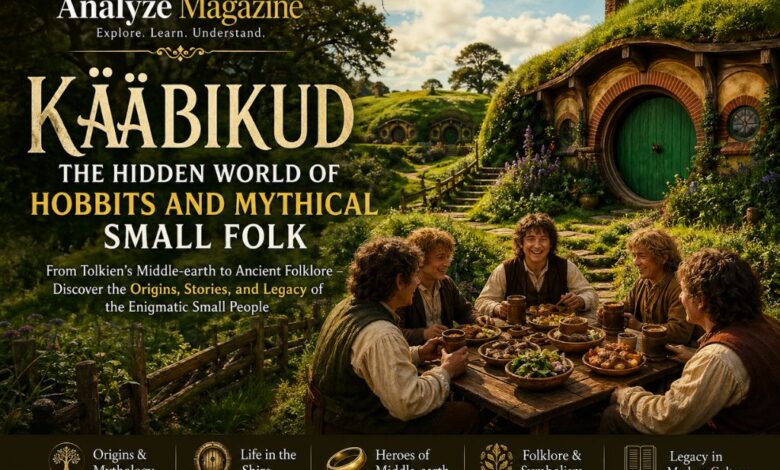
They live in comfortable underground homes known as hobbit-holes, usually within peaceful countryside regions called the Shire.
Despite their small size, kääbikud are known for emotional strength, loyalty, and unexpected courage.
Origins in Tolkien’s Middle-earth
The most famous representation of kääbikud comes from J.R.R. Tolkien’s literary universe.
The Shire: Home of the Kääbikud
Kääbikud live in the Shire, a peaceful agricultural region filled with:
- green fields
- gardens
- small villages
- cozy underground homes
Life in the Shire is calm and structured. Kääbikud prefer comfort, routine, and good food over adventure or war.
Key Characteristics in Tolkien’s Lore
Kääbikud are described as:
- Around half the height of humans
- Naturally quiet and shy
- Resistant to corruption and evil influences
- Fond of food, especially multiple daily meals
- Skilled in farming, gardening, and storytelling
Famous Kääbikud Characters
Some of the most important kääbikud include:
- Bilbo Baggins – The reluctant adventurer in The Hobbit
- Frodo Baggins – The ring-bearer in The Lord of the Rings
- Samwise Gamgee – Symbol of loyalty and friendship
- Merry and Pippin – Curious and brave companions
These characters demonstrate that courage is not limited to physical strength.
The Heroic Role of Kääbikud in Stories
One of the most important literary ideas behind kääbikud is the concept of the “unlikely hero.”
Unlike warriors or kings, kääbikud begin their journeys as:
- ordinary villagers
- comfort-loving individuals
- people who avoid danger
Yet they become central to saving the world.
Example: Bilbo’s Journey
Bilbo Baggins begins as a quiet resident of the Shire. However, he is pulled into an adventure involving dwarves, dragons, and treasure. Over time, he transforms into a clever and resourceful hero.
This transformation is symbolic:
Even the smallest person can influence the greatest events.
Mythological Roots of Kääbikud
Although Tolkien created Hobbits, the inspiration for kääbikud is deeply rooted in European folklore.
Connection to “Little People” Mythology
Across many cultures, stories exist about small supernatural beings such as:
- dwarfs
- elves
- gnomes
- forest spirits
- underground guardians
These beings often share similar traits:
- small size
- hidden or underground habitats
- magical abilities
- connection to nature or treasure
Common Folklore Themes
In mythology, “little people” are often:
- protectors of forests or mountains
- miners or craftsmen
- tricksters or wise helpers
- invisible to ordinary humans
These themes strongly influenced Tolkien’s creation of Hobbits, which later became “kääbikud” in Estonian translation.
Physical and Cultural Traits
Kääbikud have a distinct identity in fantasy literature.
Physical Features
- Short stature
- Rounded faces
- Curly hair (in many adaptations)
- Bare feet (in Tolkien’s original descriptions)
Cultural Lifestyle
Kääbikud value:
- peace over war
- comfort over power
- tradition over change
- food, gardening, and storytelling
They are known for:
- large meals (breakfast, second breakfast, etc.)
- farming and agriculture
- strong community ties
Their culture reflects simplicity and contentment.
Psychological Symbolism of Kääbikud
Kääbikud represent more than fictional beings—they symbolize deeper human ideas.
1. The Power of the Ordinary
Kääbikud show that ordinary individuals can achieve extraordinary outcomes.
2. Resistance to Corruption
In Tolkien’s stories, kääbikud are less easily corrupted by power (like the One Ring), symbolizing moral strength.
3. Comfort vs. Adventure
They represent the tension between:
- safety and comfort
- exploration and risk
4. Hidden Strength
Despite peaceful lifestyles, kääbikud show courage when necessary.
Kääbikud in Modern Culture
The popularity of kääbikud has expanded through:
- books (The Hobbit, The Lord of the Rings)
- film adaptations by Peter Jackson
- video games based on Middle-earth
- fantasy literature worldwide
Influence on Fantasy Genre
Kääbikud helped shape modern fantasy storytelling by:
- popularizing “small hero” archetypes
- creating detailed fantasy races
- blending folklore with modern fiction
Today, many fantasy worlds include small, peaceful races inspired by kääbikud.
Comparison: Kääbikud vs Other Mythical Beings
| Feature | Kääbikud (Hobbits) | Dwarfs | Elves |
|---|---|---|---|
| Size | Small | Short to medium | Human-like or tall |
| Nature | Peaceful | Skilled craftsmen | Magical and noble |
| Habitat | Shire (countryside) | Mountains/mines | Forests or magical realms |
| Personality | Humble, calm | Hardworking | Wise or mystical |
Kääbikud are unique because they are non-magical yet still play heroic roles.
Legacy of Kääbikud
Today, kääbikud remain one of the most beloved fantasy races in literature. Their legacy continues because they represent:
- humility
- courage
- friendship
- simplicity
They remind readers that greatness does not depend on size, wealth, or power.
Conclusion
Kääbikud, as a concept, bridge the gap between ancient mythology and modern fantasy storytelling. While they are best known as Tolkien’s Hobbits, their roots extend into centuries of folklore about small, mysterious beings who live close to nature and hidden from human society.
Their enduring appeal lies in their contrast: they are small in stature but enormous in heart. Through characters like Bilbo and Frodo, kääbikud have become symbols of bravery, resilience, and the idea that even the most ordinary individuals can shape extraordinary destinies.