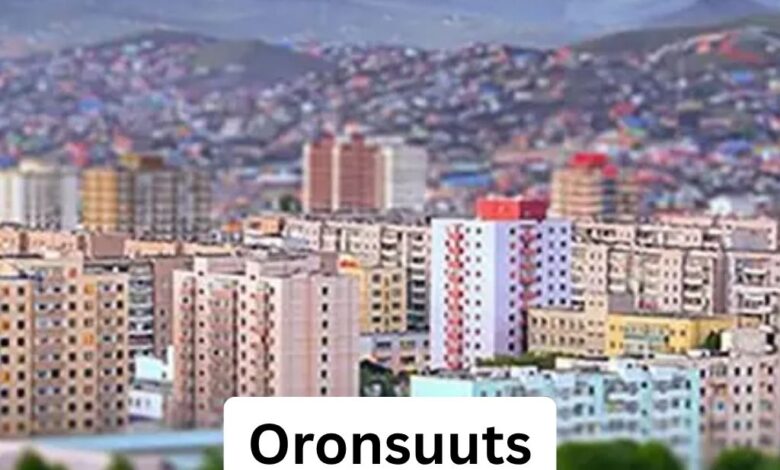
A skyline of concrete rising against a freezing horizon tells a quiet story of transformation. Inside those buildings, behind insulated walls and heated corridors, a new way of life has taken shape. That story has a name in Mongolia: oronsuuts. More than just apartments or housing units, oronsuuts represents a powerful shift in how people live, settle, and imagine the future of urban life in one of the world’s most geographically extreme countries. As cities expand and lifestyles evolve, oronsuuts has become a defining symbol of modern Mongolian society, blending necessity, adaptation, and aspiration into a single architectural form.
Oronsuuts and the Meaning of Urban Shelter
The word oronsuuts refers to residential housing units, most commonly apartments found in multi-storey buildings across Mongolia’s urban centers. Linguistically, it carries the essence of “a place to live,” combining ideas of space and dwelling into a single concept that reflects stability and permanence. While the term may appear simple on the surface, its meaning deepens when viewed through the lens of Mongolia’s rapid urbanization. Oronsuuts is not just about shelter; it is about the structured organization of life in environments designed for density, comfort, and long-term habitation.
In cities like Ulaanbaatar, where migration from rural regions has intensified over recent decades, oronsuuts has become central to how housing is understood and accessed. It represents a shift away from dispersed nomadic living patterns toward concentrated urban communities. Each oronsuuts unit is part of a larger system, contributing to the formation of districts, neighborhoods, and entire city infrastructures that depend on vertical expansion rather than horizontal spread.
The Historical Shift Toward Oronsuuts Living
Mongolia’s identity has long been tied to nomadic traditions, with families historically living in gers and moving across vast landscapes in harmony with seasonal cycles. The emergence of oronsuuts marks a profound change in that relationship with space and mobility. As industrialization and urban development accelerated during the twentieth century, especially under socialist planning and later market reforms, permanent housing structures became increasingly necessary.
The introduction of apartment-style living was not simply an architectural decision but a response to practical challenges. Harsh winters, limited urban land availability, and growing populations in cities demanded housing solutions that could provide warmth, efficiency, and durability. Oronsuuts developments began to emerge as multi-unit residential blocks designed to accommodate large numbers of residents within compact urban zones. Over time, these buildings became more refined, incorporating modern utilities and improved construction techniques that aligned with global urban housing standards.
Architectural Identity and Structural Design of Oronsuuts
The design of oronsuuts buildings reflects both environmental demands and social needs. Mongolia’s climate is among the most extreme in the world, with winters that can drop well below freezing for extended periods. As a result, insulation and heating systems are not optional features but essential components of every residential structure. Oronsuuts buildings are typically constructed with reinforced materials and engineered to retain heat efficiently, ensuring that indoor environments remain livable throughout the harshest months of the year.
Inside these buildings, apartments vary in size and layout, accommodating individuals, couples, and larger families. While architectural styles differ depending on the period of construction and developer investment, the core purpose remains consistent: to provide functional, stable, and secure living spaces. Central heating systems, piped water, and electrical networks are integrated into the building infrastructure, making oronsuuts a self-contained urban living environment.
Beyond functionality, newer oronsuuts developments often reflect a growing interest in aesthetics and comfort. Developers increasingly incorporate modern design principles, aiming to create spaces that are not only practical but also visually appealing and psychologically comfortable. This evolution highlights the growing expectations of urban residents who now view housing as both a necessity and a reflection of quality of life.
Oronsuuts and the Expansion of Urban Mongolia
The rise of oronsuuts is closely tied to Mongolia’s urban migration patterns. Over the past several decades, a significant portion of the population has moved from rural areas to cities in search of education, employment, and better access to services. This demographic shift has placed enormous pressure on urban housing systems, particularly in Ulaanbaatar, where infrastructure development has struggled to keep pace with population growth.
Oronsuuts has become the primary solution to this challenge, offering scalable housing that can accommodate increasing demand. Entire districts have been developed around clusters of apartment buildings, forming dense residential zones that define the modern cityscape. These areas often include essential amenities such as schools, clinics, shops, and public transport access, creating integrated communities that support daily life within walking distance.
This pattern of urban expansion has fundamentally altered the physical and social geography of Mongolia. Where open land once dominated, structured residential environments now shape the rhythm of daily activity. Oronsuuts developments are not isolated structures but interconnected elements of a broader urban ecosystem that continues to evolve.
Social Dynamics Within Oronsuuts Communities
Living in oronsuuts introduces a unique form of social interaction that differs significantly from traditional nomadic or rural lifestyles. In apartment environments, individuals and families share common spaces such as corridors, stairwells, elevators, and courtyards. These shared areas naturally encourage a level of social contact that can foster community bonds, mutual awareness, and neighborhood identity.
At the same time, oronsuuts living also introduces new challenges. Privacy becomes more limited compared to open rural environments, and residents must adapt to closer proximity with neighbors. Noise management, shared maintenance responsibilities, and communal decision-making become part of everyday life. These adjustments require a cultural shift, particularly for families transitioning from rural regions where space is more abundant and personal boundaries are defined differently.
Despite these challenges, many residents develop strong community ties within their oronsuuts buildings. Shared experiences of urban living, particularly in challenging climates, often create informal support networks among neighbors. Over time, these relationships contribute to a sense of belonging that is essential in densely populated urban settings.
Economic Dimensions of Oronsuuts Development
The growth of oronsuuts is closely linked to Mongolia’s evolving real estate market. Apartment ownership and rental systems have become key components of urban economics, influencing both individual financial decisions and broader investment patterns. For many families, acquiring an oronsuuts unit represents a major financial milestone, often associated with long-term stability and upward mobility.
Construction of oronsuuts buildings also plays a significant role in the national economy. The real estate and construction sectors generate employment opportunities, stimulate material production industries, and attract private investment. As demand for housing continues to rise, property development has become a major driver of urban economic activity.
However, affordability remains a critical issue. In rapidly growing cities, housing prices can outpace income growth, making access to oronsuuts challenging for lower-income households. This has led to ongoing discussions about housing policy, subsidies, and sustainable urban planning aimed at ensuring equitable access to residential spaces.
Cultural Transformation and Changing Lifestyles
Perhaps the most profound impact of oronsuuts lies in its influence on culture and lifestyle. Mongolia’s transition from nomadic traditions to urban living is one of the most significant social changes in its modern history. Oronsuuts stands at the center of this transformation, representing both adaptation and continuity.
While the physical structure of daily life has changed, cultural values continue to evolve within these new environments. Families maintain traditions, celebrate festivals, and preserve cultural identity even within apartment settings. However, the rhythm of life has shifted toward structured schedules, fixed addresses, and urban routines that differ significantly from seasonal mobility.
For younger generations, oronsuuts is often the only lifestyle they know. Growing up in apartment environments shapes their understanding of space, community, and independence. This generational shift suggests that oronsuuts is not merely a transitional phase but a lasting foundation for Mongolia’s future urban identity.
Environmental and Infrastructure Considerations
Urban housing systems like oronsuuts also bring environmental and infrastructural considerations. Concentrated populations require efficient water supply, waste management, transportation, and energy systems. In cold climates, heating demand is particularly high, making energy efficiency a critical factor in building design and urban planning.
Modern oronsuuts developments increasingly incorporate improved insulation materials and more efficient heating technologies to reduce energy consumption. At the city level, planners face the challenge of balancing rapid housing expansion with sustainable resource management. These issues are central to ensuring that urban growth remains viable in the long term.
The Future of Oronsuuts in Urban Development
Looking ahead, oronsuuts is expected to remain a cornerstone of Mongolia’s urban landscape. As cities continue to expand, demand for organized, efficient, and livable housing will only increase. Future developments are likely to focus on improved sustainability, smarter infrastructure, and enhanced quality of life within residential environments.
The concept of oronsuuts may also evolve beyond traditional apartment structures, incorporating mixed-use developments, green architecture, and technologically integrated living spaces. These changes reflect global trends in urban design while maintaining the unique environmental and cultural context of Mongolia.
Conclusion: Oronsuuts as a Symbol of Modern Mongolia
Oronsuuts stands as more than a category of housing. It represents a national journey from nomadic tradition to urban modernity, from open landscapes to structured cities, and from mobility to permanence. Within its walls live the stories of adaptation, resilience, and aspiration that define contemporary Mongolian life.
As urbanization continues to shape the country’s future, oronsuuts will remain at the heart of that transformation. It is both a physical space and a cultural marker, capturing the complexities of change while offering stability in an evolving world. In every apartment, every corridor, and every rising building, oronsuuts tells the ongoing story of how a society builds its future one home at a time.