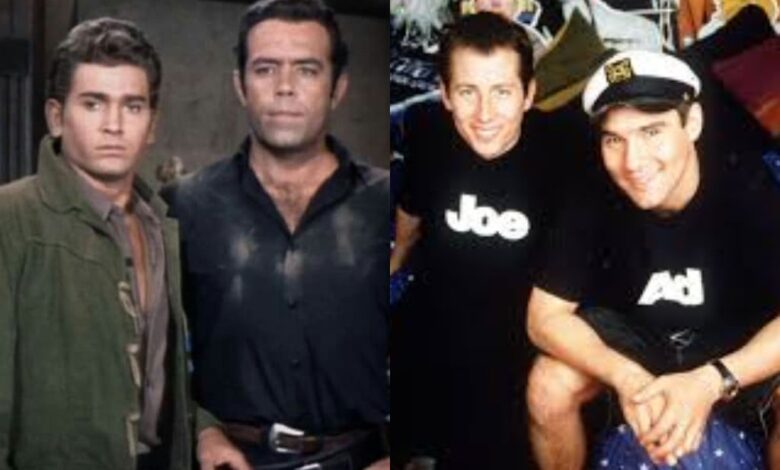
Adam and Joe are one of the most distinctive comedy partnerships to emerge from British entertainment in the late 1990s and 2000s. Consisting of Adam Buxton and Joe Cornish, the duo built a unique identity through their inventive mix of sketch comedy, improvisation, pop culture parody, and radio broadcasting. Their work is widely recognized for blending intelligent humor with DIY-style creativity, often inspired by film fandom, music culture, and everyday absurdities.
From their early television success on The Adam and Joe Show to their influential BBC Radio 6 Music programs and podcast evolution, Adam and Joe have left a lasting mark on British comedy. Their style helped shape modern media humor, especially in the podcasting era, where conversational and self-aware formats became the norm.
Early Life and Friendship
Adam Buxton and Joe Cornish met while attending Westminster School in London. Their shared interest in filmmaking, comedy, and pop culture quickly formed the foundation of a creative partnership. Alongside friends, they began experimenting with short films and comedic sketches during their school years.
One of their most notable early collaborations involved making amateur-style parody videos using simple props and home equipment. These early experiments not only sharpened their comedic timing but also laid the groundwork for their later television style, which embraced low-budget aesthetics and creative improvisation.
Their friendship continued beyond school, eventually evolving into a professional partnership that would bring them into the British entertainment industry during the mid-1990s.
Breakthrough with Television: The Adam and Joe Show
The duo achieved mainstream recognition with The Adam and Joe Show, which first aired on Channel 4 in 1996 and later moved to E4.
The show ran across multiple series and became a cult favorite due to its originality and unconventional structure. Unlike traditional sketch comedy shows, Adam and Joe embraced a raw, homemade style that often included:
- Film and TV parodies using toys and household objects
- Re-enactments of blockbuster movies in miniature form
- Satirical commentary on pop culture trends
- Creative music video recreations
One of the most iconic elements of the show was its use of teddy bears and action figures to recreate famous films. This playful yet intelligent format resonated strongly with audiences who were familiar with the original material being parodied.
The show stood out in the 1990s British comedy landscape, which was dominated by more polished productions. Adam and Joe’s approach felt fresh, experimental, and deeply personal, giving viewers the impression that they were watching two friends having fun rather than a traditional studio production.
Comedy Style and Creative Identity
Adam and Joe’s comedy is best described as a blend of:
- Pop culture obsession
- Improvisational humor
- Meta-commentary on media
- Self-aware irony
- Nostalgic references
Their work often reflects a deep love for films, music, and television, especially from the 1980s and 1990s. Instead of simply mocking pop culture, they engage with it in a way that feels affectionate and analytical at the same time.
Another defining feature of their style is their willingness to break conventional formats. Whether on television or radio, they often interrupt structured segments with spontaneous jokes, audience interaction, or improvised songs. This unpredictability became a signature element of their brand.
Their humor also relies heavily on authenticity. Rather than relying on scripted punchlines, much of their content feels conversational and organic, which makes their work highly relatable.
Transition to Radio: BBC Radio 6 Music Era
After their television success, Adam and Joe transitioned into radio, where they found another creative home on BBC Radio 6 Music.
Their radio show began in 2007 and quickly gained a dedicated audience. It aired on Saturday mornings and combined music, comedy, listener interaction, and improvisation.
Key Features of the Radio Show
One of the most popular segments was “Song Wars,” a comedic competition where Adam and Joe created original humorous songs based on weekly themes. These songs often featured parody lyrics, catchy melodies, and absurd storytelling.
Another major segment was “Text the Nation,” where listeners sent in stories, jokes, and opinions based on a given topic. This interactive format helped build a strong community around the show.
The program was known for its loose structure, often deviating into spontaneous conversations, music discussions, or humorous tangents. This unpredictability became part of its charm.
At its peak, the show attracted a large and loyal audience, making it one of the standout comedy programs on BBC Radio 6 Music.
Podcast Evolution and Digital Influence
With the rise of digital media, Adam and Joe adapted their radio show into a podcast format. This transition allowed them to reach a global audience beyond traditional broadcasting limits.
The podcast featured:
- Edited highlights from the radio show
- Exclusive introductions and commentary
- Bonus listener content
- Extended conversations and improvisations
Their presence in the podcasting space helped shape early expectations for what a comedy podcast could be. Long-form conversational humor, listener participation, and casual storytelling became key elements of modern podcast culture, many of which were popularized by formats similar to Adam and Joe’s approach.
Other Creative Projects
Beyond their main television and radio work, Adam Buxton and Joe Cornish have been involved in a variety of creative projects.
Joe Cornish went on to become a successful film director and screenwriter, known for works such as Attack the Block, which received critical acclaim for its originality and storytelling.
Adam Buxton developed a strong presence in podcasting and digital media, hosting The Adam Buxton Podcast, which features long-form interviews with filmmakers, musicians, and comedians.
Together, they also contributed to:
- Music video direction
- Documentary-style travel programs
- Live comedy performances
- Guest appearances on British television
Their careers, while occasionally separate, continue to reflect their shared comedic roots.
Cultural Impact and Legacy
Adam and Joe’s influence on British comedy is significant, particularly in how humor is delivered in modern media.
They helped popularize a format that combines:
- Informal conversation
- Audience participation
- Pop culture analysis
- Improvised humor
Their work also bridged the gap between traditional broadcasting and internet-era content creation. Many modern comedy podcasts and YouTube creators use similar techniques—casual dialogue, niche cultural references, and self-aware humor—that Adam and Joe helped normalize years earlier.
Their legacy is especially visible in the rise of “friendship-based comedy,” where chemistry between hosts is more important than scripted material.
Why Adam and Joe Remain Relevant Today
Even years after their peak television and radio presence, Adam and Joe remain culturally relevant because their humor is timeless in structure. Instead of relying on topical jokes alone, their work is built on observation, personality, and shared cultural memory.
Their influence continues through:
- Podcasting culture
- British radio comedy formats
- Online sketch creators
- Pop culture commentary channels
They are often cited as pioneers of a more relaxed, conversational comedy style that dominates modern digital entertainment.
Conclusion
Adam and Joe are more than just a comedy duo; they are a creative partnership that reshaped how audiences experience humor across television, radio, and digital platforms. Their ability to blend intelligence with playfulness, and structure with spontaneity, has ensured their place in British comedy history.
From school friends making homemade sketches to influential media personalities, Adam Buxton and Joe Cornish have built a legacy defined by originality, authenticity, and a deep love for pop culture.