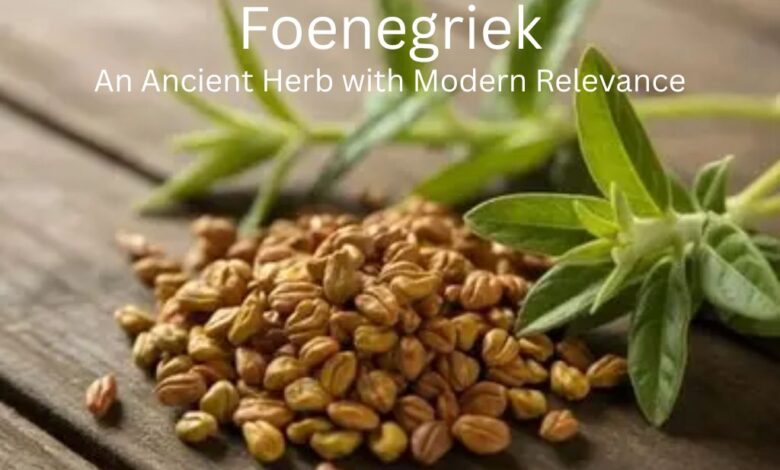
In a world increasingly drawn toward natural remedies and plant-based wellness, few herbs have maintained their relevance across centuries quite like foenegriek. Known globally as fenugreek and scientifically as Trigonella foenum-graecum, this humble plant has traveled through time—from ancient medicinal systems to modern nutritional science—earning a reputation as both a culinary staple and a therapeutic powerhouse.
Today, foenegriek is experiencing a resurgence, appearing in everything from dietary supplements and herbal teas to cosmetic products and functional foods. But what exactly makes this herb so valuable, and does modern science support its traditional uses? This article explores the origins, composition, health benefits, and practical applications of foenegriek in a comprehensive, evidence-informed way.
A Botanical and Historical Overview
Foenegriek belongs to the legume family, Fabaceae, and is native to parts of the Mediterranean region, Western Asia, and South Asia. The plant typically grows to a height of around 60 to 90 centimeters, producing slender green leaves, delicate pale flowers, and elongated pods that contain its characteristic golden-brown seeds.
Historically, foenegriek has been deeply embedded in traditional healing systems. Ancient Egyptians reportedly used it in embalming practices and as a remedy for burns and infections. In Ayurvedic medicine, it was prescribed to support digestion, balance metabolism, and enhance vitality. Traditional Chinese medicine also incorporated the herb for its warming properties and its ability to support kidney and reproductive health.
Its long-standing use across cultures is not merely anecdotal; rather, it reflects a consistent recognition of its physiological effects, many of which are now being revisited through modern research.
Nutritional Composition and Bioactive Compounds
The health-promoting properties of foenegriek can largely be attributed to its rich nutritional profile and diverse array of bioactive compounds. The seeds are particularly dense in soluble fiber, especially a type known as galactomannan, which plays a key role in metabolic regulation.
In addition to fiber, foenegriek seeds contain a notable amount of plant-based protein, essential minerals such as iron, magnesium, and manganese, and a range of phytochemicals. Among these, saponins and alkaloids stand out for their biological activity. Diosgenin, a naturally occurring compound in foenegriek, has attracted scientific attention due to its structural similarity to estrogen and its potential hormonal effects.
Polyphenols and flavonoids further enhance the herb’s antioxidant capacity, helping to neutralize free radicals and reduce oxidative stress within the body. This complex chemical composition underpins many of the therapeutic claims associated with foenegriek.
Culinary Significance Across Cultures
Beyond its medicinal applications, foenegriek holds a prominent place in global cuisine. Its seeds are widely used as a spice, valued for their slightly bitter, nutty flavor with subtle sweet undertones reminiscent of maple syrup. This distinctive taste profile makes it a key ingredient in spice blends, curries, and pickles, particularly in Indian, Middle Eastern, and North African cooking.
The leaves of the plant, often referred to as “methi,” are also consumed as a vegetable. They are used fresh or dried, adding both flavor and nutritional value to a variety of dishes. In some cultures, foenegriek is even incorporated into bread and herbal teas, demonstrating its versatility as a food ingredient.
Its dual role as both a flavoring agent and a functional food highlights the seamless integration of nutrition and medicine in traditional diets.
Blood Sugar Regulation and Metabolic Health
One of the most extensively studied benefits of foenegriek is its impact on blood glucose levels. Research suggests that the soluble fiber in foenegriek slows the digestion and absorption of carbohydrates, leading to a more gradual rise in blood sugar after meals.
This property makes it particularly valuable for individuals with insulin resistance or type 2 diabetes. Some clinical studies have indicated that regular consumption of foenegriek may lead to improved glycemic control, including reductions in fasting blood glucose and HbA1c levels.
Additionally, certain amino acids present in foenegriek may stimulate insulin secretion, further contributing to its glucose-lowering effects. While it should not replace conventional medical treatment, foenegriek can serve as a complementary dietary strategy for metabolic health.
Cardiovascular Benefits
Cardiovascular disease remains a leading global health concern, and dietary interventions play a crucial role in its prevention and management. Foenegriek has shown promise in this area due to its potential to improve lipid profiles.
The fiber content in foenegriek binds to bile acids in the digestive tract, promoting their excretion and reducing overall cholesterol levels. Studies have reported decreases in low-density lipoprotein (LDL) cholesterol and triglycerides among individuals who incorporate foenegriek into their diets.
Moreover, its antioxidant compounds may help protect blood vessels from oxidative damage, supporting overall cardiovascular function. While further large-scale studies are needed, the existing evidence suggests that foenegriek may contribute to heart health when used as part of a balanced diet.
Role in Lactation and Women’s Health
Foenegriek is perhaps best known in popular culture for its role as a natural galactagogue—a substance that promotes breast milk production. For generations, nursing mothers have used foenegriek as a herbal remedy to support lactation.
Some scientific studies support this traditional use, indicating that foenegriek supplementation may increase milk volume in breastfeeding women. The exact mechanism is not fully understood, but it is believed to involve hormonal modulation, possibly linked to the phytoestrogenic properties of compounds like diosgenin.
Beyond lactation, foenegriek may also offer benefits for women’s hormonal health more broadly. It has been explored for its potential to alleviate symptoms of menstrual discomfort and menopause, although more robust clinical evidence is needed in these areas.
Effects on Testosterone and Male Health
In recent years, foenegriek has gained attention as a natural supplement for men’s health, particularly in relation to testosterone levels. Some studies suggest that specific extracts of foenegriek may help increase free testosterone, which can influence muscle mass, energy levels, and sexual function.
These effects are thought to be mediated by the herb’s ability to inhibit certain enzymes that convert testosterone into other hormones. As a result, foenegriek is sometimes included in sports nutrition products and performance-enhancing supplements.
However, it is important to approach such claims with caution. While early findings are promising, more rigorous research is needed to establish long-term efficacy and safety.
Anti-Inflammatory and Antioxidant Properties
Chronic inflammation is a common underlying factor in many diseases, including diabetes, cardiovascular disorders, and certain cancers. Foenegriek contains several compounds that exhibit anti-inflammatory activity, potentially helping to modulate the body’s immune response.
Its antioxidant properties further enhance its protective effects by reducing oxidative stress, which can damage cells and accelerate aging. Together, these actions make foenegriek a valuable addition to a diet aimed at promoting long-term health and disease prevention.
Digestive Health and Appetite Control
Digestive wellness is another area where foenegriek has demonstrated benefits. The mucilaginous fiber in the seeds forms a gel-like substance when mixed with water, which can soothe the digestive tract and improve bowel regularity.
This makes foenegriek useful for individuals experiencing constipation or indigestion. Additionally, its ability to promote a feeling of fullness may help regulate appetite and support weight management efforts.
In traditional medicine, foenegriek was often used as a general digestive tonic, a role that continues to be supported by its physiological effects.
Applications in Skin and Hair Care
The benefits of foenegriek extend beyond internal health to include cosmetic and dermatological applications. Its extracts are commonly used in natural skincare and haircare products due to their nourishing and anti-inflammatory properties.
For hair, foenegriek is believed to strengthen follicles, reduce dandruff, and promote growth. In skincare, it may help hydrate the skin, reduce irritation, and improve overall texture.
These uses are largely based on traditional practices and preliminary research, but they contribute to the herb’s growing popularity in the beauty industry.
Safety, Side Effects, and Considerations
Despite its many benefits, foenegriek is not without potential risks. Most people tolerate it well when consumed in moderate amounts as part of a diet. However, higher doses—particularly in supplement form—can lead to side effects such as gastrointestinal discomfort, including bloating, gas, and diarrhea.
One distinctive but harmless side effect is a maple syrup-like odor in sweat and urine, caused by certain compounds in the seeds.
More importantly, foenegriek can interact with medications, especially those used to manage blood sugar or blood clotting. Its glucose-lowering effects may enhance the action of antidiabetic drugs, increasing the risk of hypoglycemia. Similarly, it may potentiate the effects of anticoagulants, raising the risk of bleeding.
Pregnant women are generally advised to avoid high doses of foenegriek, as it may stimulate uterine contractions. As with any herbal supplement, consultation with a healthcare professional is recommended before use.
Modern Relevance and Future Research
The renewed interest in foenegriek reflects a broader shift toward integrative health approaches that combine traditional knowledge with scientific validation. As researchers continue to ուսումնասիր its properties, new applications may emerge in areas such as metabolic health, hormonal balance, and functional nutrition.
However, it is essential to distinguish between well-supported benefits and those that remain speculative. While foenegriek shows considerable promise, more large-scale, high-quality clinical trials are needed to fully understand its mechanisms and optimal usage.
Conclusion
Foenegriek stands as a remarkable example of how traditional herbal knowledge can intersect with modern science. Its rich nutritional profile, diverse bioactive compounds, and wide range of applications make it a valuable addition to both the kitchen and the medicine cabinet.
From supporting blood sugar control and heart health to enhancing digestion and potentially influencing hormonal balance, foenegriek offers a multifaceted approach to wellness. At the same time, its use should be guided by evidence, moderation, and professional advice where necessary.
As interest in natural health solutions continues to grow, foenegriek is likely to remain a subject of both popular and scientific attention—an ancient herb that continues to prove its relevance in the modern world.