Elizabeth Adare – Biography, Career, and Life Journey of a British Television Actress

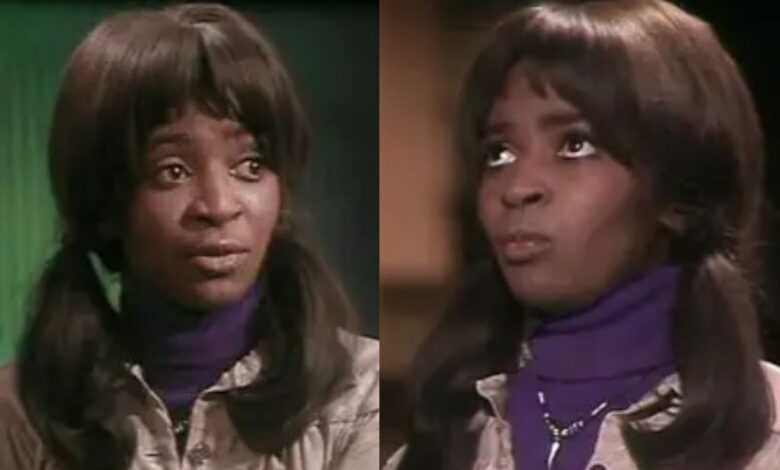
Elizabeth Adare is a British former actress best known for her work in 1970s television, particularly her memorable role in the cult science fiction series The Tomorrow People. Born on 3 June 1949 in Newcastle upon Tyne, England, she became one of the notable Black British actresses to appear regularly on UK television during a period when representation was still limited. After a successful acting career, she made a remarkable life change, leaving the entertainment industry in the early 1980s to pursue a career in child psychology and social services.
Her journey from television screens to social work reflects not only personal transformation but also a broader story about identity, purpose, and professional reinvention.
Early Life and Background
Elizabeth Adare was born in Newcastle upon Tyne, a historic city in North East England. She came from a family of Sierra Leonean heritage, which played an important role in shaping her early cultural experiences. During her childhood, she spent part of her early years in Sierra Leone before returning to the United Kingdom in the late 1950s.
Growing up in Britain during the post-war era, Adare experienced a society that was gradually becoming more multicultural, yet still had limited representation of Black performers in mainstream media. Despite these challenges, she developed a strong interest in performance and storytelling from a young age.
Initially, she considered a career in teaching, which reflected her academic interests and desire to work with young people. However, her passion for the arts eventually led her toward drama and acting. She later trained at the Mountview Drama School, a respected institution known for producing skilled theatre and television performers.
Entry into Acting and Early Career
Elizabeth Adare’s acting career began in theatre, where she gained valuable stage experience performing in repertory productions. Theatre work helped her build strong acting foundations, particularly in character development, voice projection, and live performance discipline.
During the early 1970s, she transitioned into television roles. British television at the time was expanding rapidly, and opportunities for emerging actors were increasing, especially in drama serials and anthology series.
Her early television appearances included supporting roles in popular British shows such as:
- Crossroads
- Within These Walls
- Rising Damp
- Rumpole of the Bailey
- Mind Your Language
These roles allowed her to showcase versatility, moving between drama and light comedy while building her reputation within the industry.
Breakthrough Role in The Tomorrow People
Elizabeth Adare’s major breakthrough came when she was cast as Elizabeth M’Bondo in the science fiction series The Tomorrow People, which aired in the 1970s.
The show followed a group of young people who represent the next stage of human evolution, possessing extraordinary abilities such as telepathy, teleportation, and advanced mental powers. The series became a cult favorite among audiences and remains an iconic part of British sci-fi television history.
Adare’s character, Elizabeth M’Bondo, was an important member of the team. She brought intelligence, emotional depth, and calm strength to the role. Her performance helped ground the show’s more fantastical elements in human emotion and relatability.
At a time when diversity on British television was limited, her presence in a leading sci-fi ensemble cast was significant. It helped open doors for more inclusive casting in future productions and demonstrated that Black actresses could successfully take on central roles in genre television.
Acting Style and On-Screen Presence
Elizabeth Adare was known for her naturalistic acting style. Rather than exaggeration, she often relied on subtle emotional expression and thoughtful dialogue delivery. This made her particularly effective in dramatic roles where emotional intelligence and restraint were important.
Her background in theatre contributed to her strong screen presence. She was able to balance stage discipline with the intimacy required for television acting.
In ensemble casts like The Tomorrow People, she stood out for her ability to maintain character consistency while still blending seamlessly with other performers. Her portrayal of Elizabeth M’Bondo remains one of her most recognized contributions to British television.
Work Beyond Acting
After her time on The Tomorrow People, Elizabeth Adare continued to work in television but gradually shifted her focus away from acting roles. She appeared in various programs and also worked as a presenter.
One of her notable presenting roles was on Thames Television’s educational program “About Books,” where she introduced literary discussions and interviews. This role reflected her intellectual curiosity and communication skills beyond acting.
Despite her success, Adare began to feel a growing interest in a different kind of work—one that focused more directly on people’s lives and well-being.
Career Change: From Actress to Child Psychologist
In 1983, Elizabeth Adare made a major life decision: she left acting entirely.
This transition marked a turning point in her personal and professional journey. Rather than continuing in the entertainment industry, she chose to pursue a career in social work and psychology, focusing particularly on children and families.
She trained and worked in child psychology and later became involved in social services in London. Her work involved supporting vulnerable children, assessing family situations, and contributing to child welfare systems.
Over time, she rose to a senior position in social services management, where she helped oversee programs designed to protect and support children in need.
This career shift is often highlighted as an example of successful reinvention—moving from public fame to meaningful service work.
Personal Life
Elizabeth Adare married John Adare in 1975. The couple has one child. Throughout her life, she has maintained a private personal profile, especially after leaving the entertainment industry.
Unlike many former actors who remain in public media or return for interviews, Adare chose a quieter life focused on family and professional contribution outside of television.
Her decision to step away from public attention reflects her strong preference for privacy and purpose-driven work.
Legacy and Cultural Impact
Elizabeth Adare holds an important place in British television history for several reasons.
1. Representation in British Media
During the 1970s, Black actresses were still underrepresented in mainstream British television. Her presence in a leading sci-fi series helped challenge this imbalance.
2. Contribution to Cult Television
Her role in The Tomorrow People remains a key part of the show’s enduring popularity. The series continues to be revisited by fans of classic British science fiction.
3. Career Reinvention
Her transition from acting to child psychology is often cited as an inspiring example of professional transformation. It shows that creative professionals can successfully shift into entirely different fields.
4. Quiet but Meaningful Public Life
Unlike many celebrities, Adare did not seek ongoing fame. Instead, she dedicated herself to social impact work, which adds depth to her legacy.
Later Years
Since retiring from acting and public media, Elizabeth Adare has remained largely out of the spotlight. There are few public appearances or interviews, and she is considered a private figure.
However, her work in both entertainment and social services continues to be acknowledged in retrospectives about British television history and diversity in media.
Conclusion
Elizabeth Adare’s life story is one of talent, transformation, and purpose. From her early success in British television to her important role in The Tomorrow People and later her meaningful career in child psychology, she represents a rare combination of artistic achievement and social commitment.
Her journey reflects how personal choices can redefine identity beyond fame. Whether remembered for her acting or her social work, Elizabeth Adare remains a significant figure in both cultural and professional contexts.