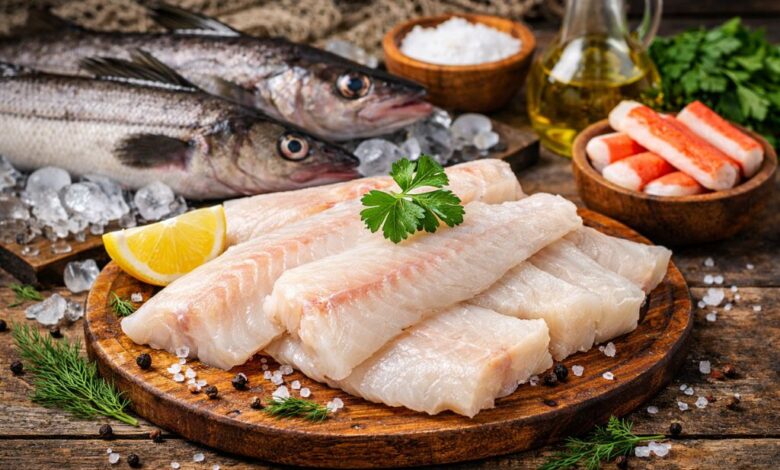
Alaskan Seiti is a term that often sparks curiosity, especially among readers who encounter it in seafood markets, menus, or packaged food labels. At first glance, it sounds like a rare or region-specific fish, possibly something exclusive to the icy waters of Alaska. However, the reality is more grounded and equally interesting. Alaskan Seiti is another name for Alaska pollock, a species that plays a significant role in global seafood consumption and commercial fishing industries. Understanding this fish requires looking beyond the name and exploring its biology, economic importance, culinary uses, and environmental impact.
What Is Alaskan Seiti?
Alaskan Seiti refers to Alaska pollock, a marine fish species scientifically known as Gadus chalcogrammus. It belongs to the cod family, which includes other well-known species like Atlantic cod and haddock. Found primarily in the North Pacific Ocean, particularly in the Bering Sea and Gulf of Alaska, this fish thrives in cold, nutrient-rich waters. Despite its modest reputation, Alaska pollock is one of the most harvested fish species in the world, making it a cornerstone of the global seafood supply.
The name “Seiti” is more commonly used in European and Nordic countries, where similar fish species are marketed under different names. When combined with “Alaskan,” the term gains a more distinctive and sometimes premium appeal. This naming variation can lead to confusion among consumers, especially those unfamiliar with seafood labeling practices. In essence, Alaskan Seiti is not a different species but a different way of presenting an already familiar fish.
Biological Characteristics and Habitat
Alaska pollock is a midwater schooling fish that typically inhabits depths ranging from 30 to 500 meters. It prefers cold environments, often staying in waters just above freezing temperatures. The fish has a streamlined body, olive-green to brown coloration on its back, and a lighter underside. These features help it blend into its surroundings, providing protection from predators.
The species feeds primarily on plankton, small crustaceans, and other tiny marine organisms. Its role in the ecosystem is significant, as it serves as both predator and prey. Larger fish, marine mammals, and seabirds depend on pollock as a food source. This interconnected role highlights the importance of maintaining balanced populations within marine ecosystems.
Global Importance in the Fishing Industry
Alaska pollock, marketed in some regions as Alaskan Seiti, is one of the most commercially important fish in the world. It accounts for a substantial portion of the total fish catch in the United States, particularly in Alaska. The scale of its harvest is immense, supporting not only domestic consumption but also international export markets.
This fish is a key ingredient in many processed seafood products, including fish sticks, frozen fillets, and imitation crab meat. Its affordability and availability make it a staple in both developed and developing markets. The industry surrounding Alaska pollock generates significant employment opportunities, from fishing operations to processing and distribution.
Nutritional Profile and Health Benefits
Alaskan Seiti is widely recognized for its nutritional value, making it a practical choice for those seeking a balanced diet. It is high in protein, providing essential amino acids that support muscle growth and repair. At the same time, it is low in fat, which makes it suitable for individuals aiming to reduce calorie intake without compromising nutrition.
In addition to protein, this fish contains important micronutrients such as vitamin B12, selenium, and phosphorus. These nutrients contribute to various bodily functions, including energy production, immune support, and bone health. The presence of omega-3 fatty acids, although lower than in fatty fish like salmon, still adds to its health benefits, particularly for heart health.
Taste, Texture, and Culinary Appeal
One of the defining features of Alaskan Seiti is its mild flavor. Unlike stronger-tasting fish, it does not have an overpowering smell or taste, making it appealing to a wide audience. This neutrality allows it to adapt well to different cooking styles and cuisines.
The texture of the fish is soft yet slightly firm, with a flaky consistency when cooked. It holds its shape reasonably well, which makes it suitable for frying, baking, and grilling. Because it absorbs flavors easily, it can be paired with a variety of seasonings, sauces, and marinades, enhancing its versatility in the kitchen.
Common Culinary Uses
Alaskan Seiti is a key ingredient in many everyday food products. It is commonly used in frozen fish fillets, breaded fish sticks, and fast-food sandwiches. Its ability to be processed into uniform shapes and textures makes it ideal for mass production.
Another major use is in surimi, a processed seafood product often used to create imitation crab meat. Surimi relies on the fish’s neutral taste and flexible texture, which can be shaped and flavored to resemble more expensive seafood. This application further demonstrates the adaptability and economic value of Alaska pollock in the food industry.
Cooking Methods and Practical Preparation
Cooking Alaskan Seiti at home is relatively straightforward, which adds to its appeal among home cooks. It can be pan-fried with minimal seasoning for a quick meal or baked with herbs and lemon for a lighter dish. Grilling provides a slightly smoky flavor, while deep frying creates a crispy outer layer that contrasts with its soft interior.
Because the fish is lean, it requires careful cooking to prevent dryness. Overcooking can cause the flesh to lose moisture, resulting in a less desirable texture. Using moderate heat and shorter cooking times helps maintain its natural tenderness and flavor.
Sustainability and Environmental Impact
One of the most notable aspects of Alaska pollock fisheries is their strong focus on sustainability. The fisheries are managed under strict regulations designed to prevent overfishing and protect marine ecosystems. Monitoring systems track catch levels, ensuring that fish populations remain stable over time.
Many Alaskan Seiti products carry sustainability certifications, reflecting responsible fishing practices. These certifications provide assurance to consumers that the fish has been sourced in an environmentally conscious manner. As a result, Alaska pollock is often considered one of the more sustainable seafood choices available today.
Economic and Cultural Significance
The economic importance of Alaskan Seiti extends beyond the fishing industry. It supports coastal communities, particularly in Alaska, where fishing is a major source of income. Processing plants, transportation networks, and export operations all contribute to a broader economic system centered around this fish.
Culturally, Alaska pollock has become a familiar part of global diets, even if consumers are not always aware of its origin. Its presence in widely consumed products means that it plays a subtle but significant role in everyday food habits. This widespread use highlights its importance as a reliable and accessible protein source.
Naming Confusion and Market Perception
The term “Alaskan Seiti” can sometimes create a perception of exclusivity or rarity. In reality, it is a marketing variation that may be used to differentiate products or appeal to certain markets. Similar naming practices exist across the seafood industry, where regional or linguistic differences influence how products are labeled.
Understanding these naming conventions helps consumers make more informed decisions. Recognizing that Alaskan Seiti is essentially Alaska pollock allows buyers to evaluate the product based on its actual qualities rather than its name. This awareness can also reduce confusion when comparing seafood options.
Comparison with Other Whitefish
Alaskan Seiti is often compared to other whitefish such as cod, haddock, and tilapia. While it shares some similarities in texture and flavor, it tends to be softer and milder than cod. Haddock offers a slightly sweeter taste, while tilapia is often considered even more neutral.
These differences influence how each fish is used in cooking. Alaska pollock’s balance of affordability and versatility gives it a unique position among whitefish. It may not always be the most premium option, but it remains one of the most practical and widely used choices.
Future Outlook and Industry Trends
The demand for Alaskan Seiti is expected to remain strong due to its affordability, nutritional value, and sustainability. As global populations grow and the need for accessible protein sources increases, Alaska pollock will likely continue to play a central role in meeting that demand.
Advancements in fishing technology and processing methods may further improve efficiency and product quality. At the same time, ongoing efforts to maintain sustainable practices will be crucial in preserving fish populations for future generations. The balance between economic growth and environmental responsibility will shape the future of this industry.
Conclusion
Alaskan Seiti may initially appear to be an unfamiliar or specialized seafood term, but it represents one of the most widely consumed fish species in the world. Behind the name lies Alaska pollock, a fish valued for its mild taste, nutritional benefits, and adaptability in cooking. Its role in global food systems, combined with sustainable fishing practices, makes it an important and reliable resource.
Understanding Alaskan Seiti involves more than recognizing its identity; it requires appreciating its broader significance. From ocean ecosystems to dinner tables around the world, this fish continues to demonstrate its value in both practical and meaningful ways.