Jablje: Discover the Rich History, Renaissance Beauty, and Cultural Legacy of Slovenia’s Hidden Castle

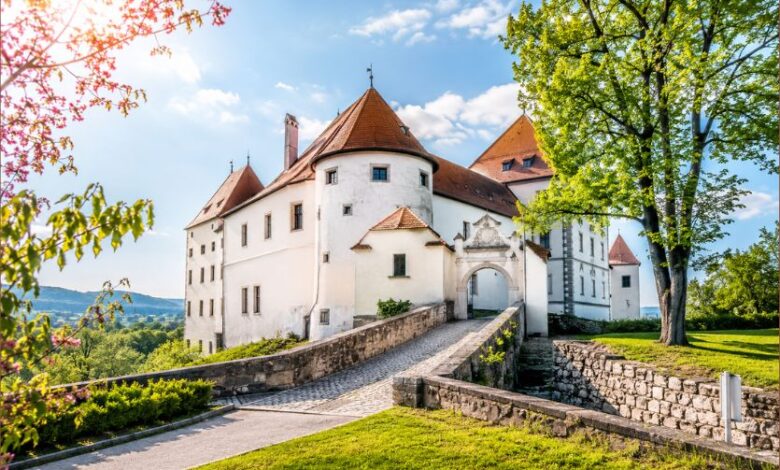
Mystery, history, and timeless architecture come together in Jablje, a destination that quietly preserves centuries of Slovenian heritage while remaining overlooked by many international travelers. Surrounded by peaceful countryside and lush landscapes, Jablje tells a remarkable story of noble families, Renaissance craftsmanship, artistic treasures, and cultural transformation. Every stone, hallway, and courtyard reflects a different chapter of history, making this location one of Slovenia’s most fascinating historical landmarks.
Unlike many European castles that have become crowded tourist attractions, Jablje offers an authentic experience where visitors can appreciate history without overwhelming crowds. Its elegant architecture, artistic interiors, and historical significance continue to attract historians, photographers, architecture enthusiasts, and travelers searching for destinations beyond the usual tourist routes.
Whether you are interested in medieval history, Renaissance architecture, cultural heritage, or planning a journey through Slovenia, Jablje deserves a place on your travel list. Its combination of historical importance and natural beauty creates an unforgettable experience that continues to inspire visitors from around the world.
What Is Jablje?
Jablje is best known for Jablje Castle, also called Grad Jablje or Grad Jable, a magnificent Renaissance castle located near the village of Loka pri Mengšu in central Slovenia. Positioned approximately ten kilometers from Ljubljana, the castle stands as one of the country’s most significant cultural monuments.
Although the surrounding area is peaceful and rural, Jablje has played an important role throughout Slovenian history. Over several centuries, it served as the residence of noble families, witnessed political changes, survived wars, and eventually became an important venue for government protocol, cultural events, and international conferences.
Today, Jablje represents far more than an architectural masterpiece. It symbolizes the preservation of Slovenian history and demonstrates how historical buildings can continue serving modern society while maintaining their original character.
The Geographic Location of Jablje
A Peaceful Setting Near Ljubljana
One of the greatest advantages of Jablje is its strategic location. Situated near Loka pri Mengšu on the western side of the Mengeš Plain, the castle enjoys easy access from Slovenia’s capital while remaining surrounded by tranquil countryside.
Visitors traveling from Ljubljana can reach Jablje within a short drive, making it an ideal destination for day trips. Despite its proximity to the city, the environment feels remarkably calm, offering a welcome contrast to busy urban life.
Rolling hills, forests, meadows, and natural springs surround the castle, creating a picturesque landscape that enhances its historical charm.
Natural Beauty That Complements History
Nature plays a significant role in the identity of Jablje. The castle sits on elevated ground above natural water sources, providing excellent views of the surrounding countryside.
Nearby forests offer pleasant walking opportunities, while the peaceful environment allows visitors to fully appreciate the historic atmosphere. Throughout different seasons, changing colors transform the landscape, making every visit unique.
The Origins of Jablje
Early Historical Records
Historical records mention the estate of Jablje as early as 1268. During this period, the location was already recognized as an important property owned by influential noble families.
Although the original medieval structures no longer survive in their complete form, archaeological evidence confirms that the site has been occupied for centuries.
The earliest settlement laid the foundation for the magnificent Renaissance castle that visitors admire today.
Construction of the Renaissance Castle
Around 1530, the Lamberg family commissioned the construction of the present castle. Renaissance architectural principles influenced every aspect of the design, replacing earlier defensive structures with a residence that combined elegance and security.
Massive walls, graceful courtyards, decorative windows, and carefully planned interiors reflected the growing influence of Renaissance culture across Europe.
The transformation marked a turning point in the history of Jablje, elevating it from a medieval estate into one of Slovenia’s finest Renaissance residences.
Noble Families That Shaped Jablje
The Lamberg Dynasty
The Lamberg family played one of the most significant roles in shaping the identity of Jablje. Their investment transformed the estate into an impressive Renaissance residence suitable for aristocratic life.
Under their ownership, the castle became both a family home and a symbol of prestige.
Later Ownership
Throughout subsequent centuries, ownership passed through several distinguished families, including the Rasp, Mosconi, and Lichtenberg families.
Each generation contributed to renovations, artistic additions, and structural improvements that gradually enhanced the castle’s appearance.
These changes reflect the evolving architectural tastes of different historical periods while preserving the Renaissance foundation.
Architectural Excellence of Jablje
Renaissance Design
Jablje represents one of Slovenia’s finest examples of Renaissance architecture. Symmetry, proportion, and elegant design characterize the castle’s appearance.
Visitors immediately notice the harmonious balance between decorative beauty and practical construction. Every wing contributes to the castle’s impressive visual impact.
The Beautiful Courtyard
The central courtyard remains one of the most photographed parts of Jablje.
Elegant arcades surround the open space, creating an atmosphere that reflects Renaissance ideals of balance and refinement. The courtyard served as both a social gathering place and an architectural centerpiece.
Its carefully preserved appearance continues to impress historians and tourists alike.
Defensive Features
Although designed as a noble residence, Jablje retained important defensive characteristics inherited from medieval traditions.
Strong walls, corner towers, elevated positioning, and limited access points provided protection during uncertain political periods.
These features remind visitors that beauty and security often went hand in hand during Renaissance Europe.
Artistic Treasures Inside Jablje
Remarkable Frescoes
The interior of Jablje contains extraordinary artistic works that elevate its historical value.
Among the most celebrated are the Baroque frescoes painted by renowned Slovenian artist France Jelovšek during the eighteenth century.
These colorful paintings cover ceilings and walls with scenes inspired by mythology, religion, and everyday life.
Their remarkable preservation offers valuable insight into the artistic traditions of the period.
Decorative Interiors
Visitors also admire decorative stucco work, elegant halls, historic fireplaces, beautifully crafted staircases, and finely detailed ceilings.
Each room demonstrates the wealth and sophistication of the noble families who once lived within these walls.
The artistic decoration transforms every interior space into a living museum.
Archaeological Discoveries Around Jablje
Bronze Age Evidence
Archaeological excavations near Jablje revealed evidence that the surrounding area has been inhabited for thousands of years.
One of the most remarkable discoveries was an exceptionally well-preserved bronze sword dating back to the Bronze Age.
Experts consider it one of the oldest complete bronze swords discovered in the eastern Alpine region.
This remarkable artifact significantly expanded understanding of prehistoric life in Slovenia.
Historical Importance
The archaeological findings demonstrate that Jablje possesses historical significance extending far beyond the Renaissance period.
Generations of people selected this location because of its natural resources, strategic advantages, and fertile surroundings.
These discoveries enrich the cultural value of the entire region.
Jablje During Modern History
Changes After World War II
Following World War II, political changes dramatically affected many historic estates across Slovenia, including Jablje.
The castle became state property and was assigned various practical purposes over several decades.
Although these changing roles helped preserve the structure, they also created challenges for maintaining its historical integrity.
Restoration Efforts
Extensive restoration projects undertaken between 1999 and 2006 successfully returned much of the castle to its former elegance.
Conservation specialists carefully restored architectural features, artistic decorations, structural elements, and historical interiors.
Their work ensured that future generations could continue appreciating this remarkable cultural monument.
Jablje as a Cultural Landmark
Government Functions
Today, Jablje serves an important public role.
Government institutions regularly use the castle for official ceremonies, diplomatic meetings, conferences, and international events.
Its prestigious setting makes it an ideal venue for welcoming distinguished guests.
Educational Activities
Universities, cultural organizations, and historical societies frequently organize seminars, workshops, and educational programs at Jablje.
Students benefit from studying history within an authentic historical environment rather than relying solely on textbooks.
The castle therefore functions as both a monument and an educational resource.
Tourism at Jablje
A Hidden Destination
Unlike Europe’s heavily visited castles, Jablje remains relatively undiscovered by mass tourism.
This creates a peaceful atmosphere where visitors can explore architecture and history without long queues or crowded halls.
Many travelers describe the experience as more authentic than visiting famous tourist destinations.
Photography Opportunities
Every corner of Jablje provides exceptional photographic possibilities.
Stone courtyards, elegant windows, Renaissance arches, historic towers, landscaped gardens, and surrounding forests combine to create visually stunning compositions.
Professional photographers particularly appreciate the changing natural light throughout different seasons.
Walking Through History
Exploring Jablje feels like walking through multiple centuries of European history.
Visitors encounter architectural styles, artistic masterpieces, and historical layers that reveal how society evolved across generations.
Every room contributes another piece to the larger historical narrative.
Why Historians Value Jablje
Historians consider Jablje an outstanding example of cultural continuity.
Rather than remaining frozen in a single historical period, the castle evolved alongside Slovenian society. Medieval origins, Renaissance transformation, Baroque decoration, twentieth-century adaptation, and modern restoration all coexist within the same structure.
This continuous development provides researchers with valuable insight into changing political, artistic, and social conditions over several centuries.
Its excellent preservation further enhances its importance as a historical resource.
The Meaning Behind the Name Jablje
Linguists generally believe that the name Jablje originates from the Slovene word associated with apple trees.
This interpretation reflects the agricultural traditions that shaped the surrounding countryside for generations.
Earlier theories suggested German linguistic influences, but modern scholarship largely supports the native Slovenian origin.
The name itself therefore connects the location to both language and landscape.
Visiting Jablje Today
Travelers planning to visit Jablje should allow enough time to fully appreciate both the castle and its surroundings.
Walking through the historic courtyards, observing architectural details, exploring nearby natural scenery, and learning about centuries of history create a rewarding cultural experience.
The peaceful atmosphere encourages visitors to slow down and absorb the unique character of the site.
Many travelers combine their visit with nearby attractions around Ljubljana and central Slovenia, making Jablje an excellent addition to broader travel itineraries.
Preservation for Future Generations
Historic monuments require continuous care, and Jablje demonstrates the value of long-term preservation efforts.
Restoration specialists, historians, architects, and cultural organizations continue working together to maintain the castle’s structural integrity while protecting its artistic treasures.
These efforts ensure that future generations will inherit one of Slovenia’s finest examples of Renaissance heritage.
Successful preservation also supports tourism, education, and cultural appreciation.
Why Jablje Continues to Inspire Visitors
Every visitor discovers something different at Jablje. Architecture enthusiasts admire Renaissance design. Historians appreciate centuries of documented heritage. Artists study remarkable frescoes. Photographers capture elegant courtyards and scenic landscapes. Travelers enjoy peaceful surroundings away from crowded tourist destinations.
This remarkable combination of history, culture, art, and nature explains why Jablje continues attracting visitors despite remaining one of Slovenia’s lesser-known treasures.
Rather than relying on grand popularity, Jablje earns admiration through authenticity, careful preservation, and genuine historical significance.
Conclusion
Jablje stands as one of Slovenia’s most remarkable historical landmarks, offering a captivating blend of Renaissance architecture, noble history, artistic excellence, archaeological importance, and natural beauty. From its medieval origins and Renaissance transformation to its modern role as a venue for diplomacy and cultural events, every chapter of its story reflects resilience and cultural pride.
Visitors who explore Jablje discover much more than an elegant castle. They encounter centuries of European history preserved within beautifully restored walls, surrounded by peaceful landscapes that enhance the experience. Every courtyard, fresco, tower, and hallway contributes to a narrative that has evolved for more than seven hundred years.
As interest in authentic cultural destinations continues to grow, Jablje remains a hidden gem waiting to be appreciated by travelers seeking meaningful experiences beyond traditional tourist attractions. Its enduring legacy, architectural splendor, and historical importance ensure that Jablje will continue inspiring future generations while preserving an invaluable chapter of Slovenia’s cultural heritage.