Caquis Persimon: A Complete Guide to the Sweet, Vibrant Fruit Taking Over Global Kitchens

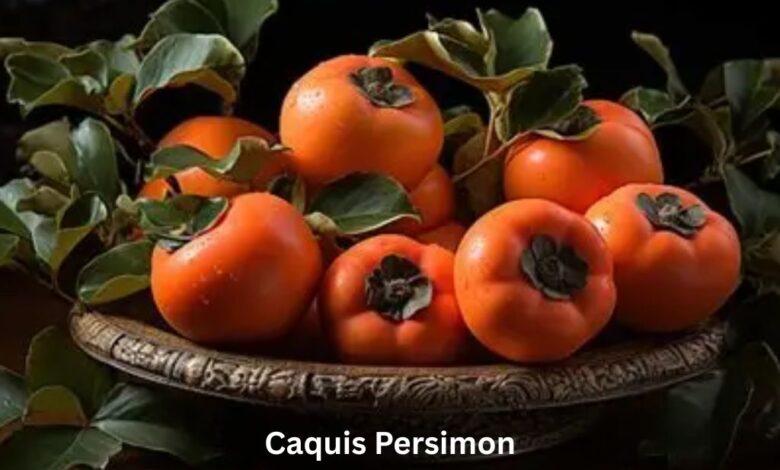
Bright, smooth, and glowing with a deep orange hue, caquis persimon instantly catches the eye—and once you taste it, it’s hard to forget. This fruit has quietly moved from traditional orchards in Asia to modern supermarkets and gourmet kitchens around the world. Its unique flavor, impressive nutritional value, and versatility make it more than just another seasonal fruit—it’s a culinary experience.
From its fascinating origins to its health benefits and growing popularity, this in-depth guide explores everything you need to know about caquis persimon and why it deserves a permanent place in your diet.
Understanding Caquis Persimon
At its core, caquis persimon refers to a variety of persimmon, most commonly derived from the species Diospyros kaki. The term “caqui” is widely used in Spanish and Portuguese-speaking regions, while “persimon” is often used commercially in Europe to refer to specific cultivated varieties that are non-astringent and ready to eat while firm.
This fruit stands out for its:
- Naturally sweet, honey-like taste
- Smooth, glossy skin
- Soft or crisp texture depending on ripeness
Unlike many fruits that require added sugar or preparation to become enjoyable, caquis persimon offers a naturally rich flavor profile straight from the tree.
A Journey Through Its Origins
The story of caquis persimon begins in East Asia, particularly in China, where persimmons have been cultivated for over a thousand years. From there, the fruit spread to Japan and Korea, becoming deeply embedded in local cuisines and traditions.
Over time, cultivation expanded into Europe and the Mediterranean, especially in countries like Spain and Italy. Spain, in particular, has played a key role in commercializing the “Persimon” variety, which is known for its firm texture and lack of astringency.
Today, caquis persimon is grown in various parts of the world, but its roots remain firmly tied to ancient agricultural traditions and cultural heritage.
Varieties and What Makes Them Unique
Not all persimmons are created equal, and understanding the differences is key to enjoying caquis persimon properly.
There are two primary categories:
Astringent Varieties
These types contain high levels of tannins when unripe, which produce a dry, puckering sensation in the mouth. They must be fully ripe—almost jelly-like—before consumption. Once softened, they transform into a deeply sweet, almost dessert-like fruit.
Non-Astringent Varieties
This is where caquis persimon typically fits. These fruits can be eaten while still firm, offering a crisp bite similar to an apple. Their flavor is milder but still pleasantly sweet, making them ideal for fresh consumption and culinary use.
This distinction is important because eating the wrong type at the wrong stage of ripeness can completely change the experience.
Nutritional Powerhouse in Disguise
Beyond its appealing taste, caquis persimon delivers a strong nutritional profile that supports overall health.
It is particularly rich in:
- Vitamin A, essential for eye health and immune function
- Vitamin C, which helps boost immunity and skin health
- Dietary fiber, supporting digestion and gut health
- Potassium, which plays a role in heart function and blood pressure regulation
In addition, the fruit contains antioxidants such as beta-carotene and flavonoids. These compounds help protect the body against oxidative stress, which is linked to aging and chronic diseases.
Despite its sweetness, caquis persimon remains relatively low in calories, making it a smart choice for those seeking a naturally sweet yet nutritious snack.
Health Benefits That Go Beyond the Surface
Regular consumption of caquis persimon can contribute to a variety of health benefits.
Supporting Vision
The high levels of vitamin A and beta-carotene make this fruit especially beneficial for maintaining good eyesight. These nutrients help protect the retina and may reduce the risk of vision-related conditions.
Promoting Heart Health
With its combination of fiber, potassium, and antioxidants, caquis persimon supports cardiovascular health. It can help regulate blood pressure, reduce bad cholesterol levels, and improve overall circulation.
Enhancing Digestive Function
Fiber plays a crucial role in digestion, and this fruit delivers a generous amount. It helps maintain regular bowel movements and supports a healthy gut microbiome.
Reducing Inflammation
Chronic inflammation is linked to many modern health issues. The natural compounds found in caquis persimon may help reduce inflammation and promote long-term wellness.
A Fruit That Fits Every Kitchen
One of the most appealing aspects of caquis persimon is its versatility. It can be enjoyed in both simple and sophisticated ways, making it suitable for everyday meals and gourmet creations alike.
When eaten fresh, it can be sliced and added to fruit bowls or salads. Its natural sweetness pairs well with savory ingredients like cheese, nuts, and leafy greens.
In the kitchen, it can be transformed into:
- Smoothies and juices
- Baked goods such as cakes and muffins
- Jams, jellies, and preserves
- Sauces for desserts or even meat dishes
Dried caquis persimon is also popular, offering a concentrated flavor and chewy texture that makes for a satisfying snack.
Seasonality and Availability
Timing plays an important role in enjoying caquis persimon at its best. The fruit is typically harvested during the autumn months, from September through December.
During this period, it reaches peak ripeness, offering the best balance of sweetness and texture. Outside of this window, availability may vary depending on region and import sources.
Because it is a seasonal fruit, its arrival often signals a shift in culinary trends, with chefs and home cooks incorporating it into fall and winter dishes.
Choosing the Perfect Fruit
Selecting high-quality caquis persimon can make a significant difference in taste and enjoyment.
When shopping, look for:
- Bright, vibrant color
- Smooth skin without blemishes
- A slightly firm texture for non-astringent varieties
If you’re dealing with astringent types, patience is key. Allow them to soften completely before eating to avoid the unpleasant effects of tannins.
Storage and Ripening Tips
Proper storage helps preserve the quality of caquis persimon.
Unripe fruits can be kept at room temperature until they reach the desired level of softness. Placing them near ethylene-producing fruits like bananas or apples can speed up the ripening process.
Once ripe, refrigeration can extend their shelf life for several days. However, for the best flavor, it’s often recommended to consume them soon after they reach peak ripeness.
Cultural and Culinary Significance
In many cultures, caquis persimon carries symbolic meaning and traditional value.
In East Asia, persimmons are often associated with good fortune, longevity, and prosperity. They appear in festivals, artworks, and seasonal dishes, reflecting their deep cultural roots.
In modern European markets, particularly in Spain, the fruit has been rebranded and standardized for international appeal. The “Persimon” label ensures consistent quality and readiness for consumption, helping introduce the fruit to new audiences.
Potential Risks and Considerations
While caquis persimon is generally safe and healthy, there are a few considerations to keep in mind.
Unripe astringent persimmons can cause a strong drying sensation in the mouth due to tannins. In rare cases, excessive consumption of unripe fruit may lead to digestive complications.
Moderation is always advisable, especially for individuals with sensitive digestive systems.
Why Caquis Persimon Is Gaining Popularity
The growing popularity of caquis persimon is no coincidence. As consumers become more health-conscious and adventurous with their food choices, fruits like this are gaining attention.
Its appeal lies in several factors:
- Natural sweetness without added sugars
- Impressive nutritional benefits
- Versatility in both sweet and savory dishes
- Unique texture and flavor
In a world where superfoods and functional foods are in demand, caquis persimon fits perfectly into modern dietary trends.
Bringing Caquis Persimon Into Your Daily Life
Incorporating caquis persimon into your routine doesn’t require complex recipes or techniques.
Start simple. Slice it into your morning yogurt, add it to a salad, or enjoy it as a midday snack. As you become more familiar with its flavor, you can experiment with baking, cooking, and preserving.
Its adaptability means it can easily transition from a quick snack to a centerpiece ingredient in more elaborate dishes.
Final Thoughts
Caquis persimon offers a rare combination of beauty, flavor, and nutrition. It bridges tradition and modernity, connecting ancient cultivation practices with contemporary culinary trends.
Its rise in global popularity reflects a broader shift toward natural, wholesome foods that deliver both taste and health benefits. Whether you’re discovering it for the first time or rediscovering it in a new way, this fruit has something to offer everyone.
Adding caquis persimon to your diet is not just about trying something new—it’s about embracing a fruit that has stood the test of time and continues to thrive in kitchens around the world.