Sodziu: A Living Expression of Culture, Community, and Timeless Rural Identity

There’s something quietly powerful about the word sodziu. It doesn’t shout for attention, yet it carries generations of memory, tradition, and meaning within its simple sound. More than just a term, sodziu represents a way of life shaped by land, relationships, and enduring cultural values. As interest in slow living, sustainability, and heritage continues to grow, sodziu has begun to capture attention far beyond its linguistic roots.
This article explores sodziu in depth—its origins, meanings, cultural importance, and its evolving place in the modern world.
Understanding the True Meaning of Sodziu
At its core, sodziu is a Lithuanian word that translates to “village” or “rural settlement.” But this direct translation barely scratches the surface. Unlike generic terms for rural areas, sodziu carries emotional, cultural, and historical weight.
The word is closely linked to “sodas,” meaning garden or cultivated land. This connection reveals its agricultural foundation and highlights a key idea: sodziu is not just where people live—it’s how they live. It reflects a deep relationship between humans and the land, where nature is not separate from daily life but an integral part of it.
In this sense, sodziu becomes a concept that blends geography with identity.
The Historical Roots of Sodziu
To truly appreciate sodziu, it helps to look at its historical context. Traditional sodziu communities were small, tightly knit settlements where families depended on agriculture and shared labor for survival. These villages were often self-sufficient, producing their own food, tools, and materials.
Life in a sodziu revolved around the seasons. Spring meant planting, summer brought growth and maintenance, autumn was for harvest, and winter focused on preservation and rest. Each season had its own rhythm, responsibilities, and rituals.
During earlier centuries, sodziu communities played a crucial role in preserving cultural identity. Language, customs, and traditions were passed down orally, often within the close circles of family and neighbors. Even during periods of political or social upheaval, the sodziu remained a stronghold of continuity.
Daily Life in a Sodziu Setting
Life in a sodziu is defined by simplicity, but not in a limiting way. Instead, it offers a sense of clarity and purpose that is often missing in modern urban environments.
A typical day in a traditional sodziu might begin early, with tasks tied directly to nature—feeding animals, tending crops, or preparing food from fresh ingredients. Work is physical but meaningful, and it often involves cooperation among family members.
Meals are another central part of sodziu life. Food is usually homemade, seasonal, and deeply connected to tradition. Recipes are passed down through generations, carrying not just flavors but stories.
Social interaction is equally important. In a sodziu, people know each other well. Neighbors support one another during both celebrations and hardships. This strong sense of community creates an environment where individuals feel seen, valued, and connected.
Architecture and the Physical Landscape of Sodziu
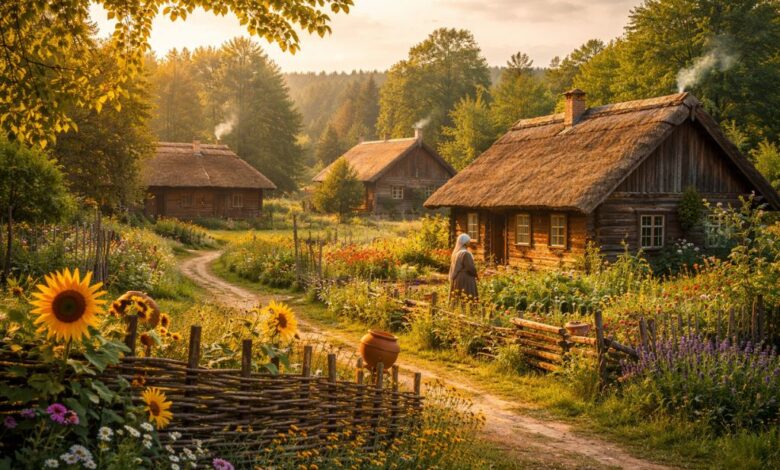
The physical structure of a sodziu reflects its values. Homes are typically built using local materials such as wood, with designs that suit the climate and environment. These houses are not just shelters—they are extensions of the land itself.
Surrounding each home, you’ll often find gardens, orchards, and small farms. These spaces are carefully maintained and serve both practical and symbolic purposes. They provide food while also reinforcing the connection between people and nature.
Paths, barns, and shared spaces are arranged in ways that encourage interaction and cooperation. The layout of a sodziu is not accidental—it is shaped by generations of experience and adaptation.
Cultural Traditions Embedded in Sodziu
One of the most fascinating aspects of sodziu is its role in preserving cultural traditions. Music, dance, folklore, and crafts all thrive within this environment.
Folk songs often tell stories of rural life, love, hardship, and resilience. These songs are not just entertainment—they are a way of remembering and sharing history. Similarly, traditional crafts such as weaving, wood carving, and embroidery carry symbolic meanings and artistic expression.
Festivals are another important element of sodziu culture. Seasonal celebrations, harvest festivals, and family events bring the community together. These gatherings are filled with rituals, food, music, and storytelling, reinforcing bonds and passing traditions to younger generations.
The Emotional and Psychological Meaning of Sodziu
Beyond its physical and cultural aspects, sodziu holds deep emotional significance. For many people, it represents home—not just as a place, but as a feeling.
Those who grew up in a sodziu often associate it with childhood memories, family connections, and a sense of belonging. Even after moving to cities or other countries, the idea of sodziu remains a powerful emotional anchor.
This emotional connection explains why the word continues to resonate today. In a fast-paced world where people often feel disconnected, sodziu symbolizes stability, warmth, and authenticity.
Sodziu and the Concept of Slow Living
Modern lifestyles are often defined by speed, convenience, and constant connectivity. In contrast, sodziu embodies the principles of slow living.
Slow living is about being intentional, appreciating the present moment, and focusing on quality over quantity. These values are naturally present in sodziu life. Tasks are done carefully, relationships are prioritized, and time is experienced more fully.
This doesn’t mean life in a sodziu is easy—it requires hard work and resilience. However, it offers a sense of balance that many people are now seeking.
As interest in sustainability and mindful living grows, sodziu serves as an inspiring model.
The Evolution of Sodziu in the Digital Age
Interestingly, sodziu has begun to take on new meanings in the digital world. The word has appeared as a username, brand identity, and even a trending keyword in certain online communities.
Its uniqueness makes it appealing. It sounds distinctive, carries cultural depth, and sparks curiosity. For content creators, bloggers, and marketers, sodziu offers a blend of authenticity and originality.
In some informal contexts, sodziu is also used as a conversational filler, similar to saying “in short” or “basically.” This usage shows how language evolves and adapts over time.
Despite these modern interpretations, the core meaning of sodziu remains intact. It continues to represent connection, tradition, and identity.
Common Misunderstandings About Sodziu
As sodziu gains attention, it is sometimes misunderstood. One common misconception is that it simply means “village” in a generic sense. While technically correct, this interpretation overlooks its deeper cultural and emotional dimensions.
Another confusion arises from its similarity to “soju,” a Korean alcoholic beverage. Although the words may sound alike, they are entirely unrelated in origin and meaning.
Understanding these distinctions is important, especially for writers and researchers who want to use the term accurately.
Why Sodziu Matters Today
The relevance of sodziu extends far beyond its historical roots. In today’s world, it offers valuable lessons about community, sustainability, and identity.
Urbanization has brought many benefits, but it has also led to challenges such as social isolation and environmental strain. The principles found in sodziu—cooperation, respect for nature, and cultural continuity—provide a meaningful counterbalance.
Even for those who have never experienced rural life, the idea of sodziu can be applied in small ways. Building stronger relationships, appreciating nature, and preserving traditions are all ways to bring its essence into modern living.
Sodziu as a Source of Inspiration
Writers, artists, and creators are increasingly drawn to sodziu as a source of inspiration. Its imagery, values, and emotional depth make it a rich subject for storytelling.
In literature, sodziu can serve as a setting that highlights themes of belonging, change, and resilience. In lifestyle content, it represents an alternative approach to living—one that prioritizes meaning over materialism.
Even in branding, sodziu can evoke authenticity and trust. It suggests something rooted, genuine, and enduring.
The Future of Sodziu
Looking ahead, sodziu is likely to continue evolving. While its traditional form may change due to modernization, its core values remain relevant.
There is a growing movement toward reconnecting with nature and heritage. In this context, sodziu is not just a relic of the past—it is a guide for the future.
Efforts to preserve rural communities, protect cultural traditions, and promote sustainable living all align with the spirit of sodziu. As awareness increases, the concept may gain even broader recognition.
Final Thoughts
Sodziu is more than a word—it is a reflection of how people live, connect, and find meaning. It captures the essence of community, the importance of tradition, and the beauty of a life closely tied to nature.
In a time when many are searching for deeper connections and more intentional ways of living, sodziu offers a powerful reminder of what truly matters. Whether experienced firsthand or understood through its cultural significance, it continues to inspire and resonate.
By exploring sodziu, we are not just learning about a rural concept—we are rediscovering values that remain essential in any place, at any time.