A moose stepping out of the forest edge onto a quiet rural road is not just a moment of wilderness—it is a decision point for an entire governance system working silently behind the scenes. In Norway, that system is known as viltnemnda, a municipal wildlife committee that plays a crucial role in shaping how humans and nature share space. While the name may sound administrative and distant, its impact reaches deeply into forests, farms, roads, and communities across the country.
Understanding Viltnemnda as a Local Wildlife Authority
Viltnemnda is a Norwegian municipal committee responsible for managing wildlife issues at the local level. The word itself comes from Norwegian, where “vilt” refers to wild animals and “nemnda” means committee or board. Together, viltnemnda represents a structured governance mechanism designed to handle wildlife management in a way that is both practical and locally responsive.
Unlike centralized environmental bodies that operate from national capitals, viltnemnda exists within municipalities. This means that decisions about wildlife are made close to the landscapes where animals actually live and interact with humans. It is a system built on proximity, where local knowledge and lived experience are considered as important as scientific data and national law.
The Legal and Environmental Foundation of Viltnemnda
The authority of viltnemnda is not informal or symbolic. It is rooted in Norwegian legislation, particularly the Wildlife Act and the Nature Diversity Act. These laws establish the principle that wildlife is a shared natural resource that must be managed sustainably and ethically.
Within this legal framework, viltnemnda acts as an executing body that translates national environmental goals into local action. It ensures that hunting regulations, population control measures, and conflict responses align with broader ecological policies. The underlying philosophy is not domination over nature but regulated coexistence with it.
This legal grounding gives viltnemnda both authority and responsibility. Its decisions are expected to reflect ecological balance, long-term sustainability, and respect for biodiversity, while also considering human safety and economic activity.
The Structure and Local Nature of Viltnemnda
Viltnemnda is typically formed within each municipality in Norway, making it a decentralized network of committees rather than a single unified institution. Members are usually appointed by local municipal councils and often include individuals with experience in hunting, agriculture, environmental management, or community leadership.
This composition is intentional. Wildlife issues in Norway are rarely abstract; they are deeply practical. Farmers may face grazing damage, drivers may encounter large animals on roads, and hunters may depend on regulated access to game populations. By including diverse local voices, viltnemnda ensures that decisions are grounded in real-world conditions rather than distant policy assumptions.
The committee operates through consultation, observation, and coordination with environmental authorities. Its work is continuous, adapting to seasonal changes, migration patterns, and evolving human development.
Wildlife Management as a Core Responsibility
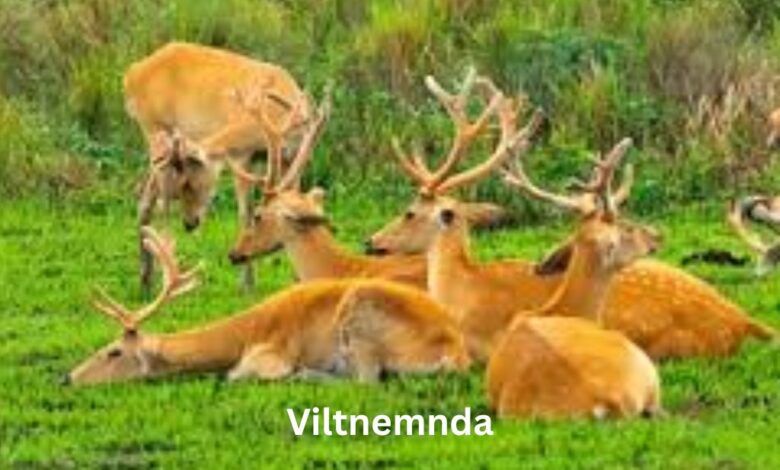
At the heart of viltnemnda lies wildlife management. Norway is home to significant populations of large mammals such as moose, deer, and roe deer, as well as a wide range of smaller wildlife species. These animals are not only ecological assets but also part of hunting traditions, tourism, and rural economies.
Viltnemnda monitors population levels and helps regulate them to prevent ecological imbalance. If populations grow too large, they can lead to habitat degradation or increased traffic accidents. If they fall too low, biodiversity suffers and ecosystems become unstable. The committee works within this delicate balance, ensuring that wildlife populations remain healthy and sustainable over time.
The Role of Viltnemnda in Hunting Regulation
Hunting in Norway is not an uncontrolled activity. It is carefully regulated, and viltnemnda plays a central role in this process. The committee helps determine hunting quotas based on population data, environmental conditions, and long-term sustainability goals.
These decisions are not made lightly. Hunting quotas affect food chains, rural livelihoods, and ecological stability. Viltnemnda must evaluate scientific reports, local observations, and seasonal trends before making recommendations or decisions.
By regulating hunting, viltnemnda ensures that wildlife populations are not overexploited while also preventing overpopulation. This balance is essential in maintaining harmony between human use of natural resources and the preservation of ecosystems.
Managing Human and Wildlife Conflicts
One of the most visible aspects of viltnemnda’s work emerges when wildlife interacts directly with human life. As human settlements expand and infrastructure spreads into natural habitats, encounters between people and animals have become more frequent.
Viltnemnda responds to situations where wildlife causes damage to crops, property, or infrastructure. It also becomes involved when animals enter residential areas or pose risks to public safety. These situations require careful judgment, as they often involve both emotional and practical considerations.
For example, a deer entering farmland may seem harmless in isolation, but repeated incidents can lead to significant agricultural losses. Similarly, large animals on roads can create serious traffic hazards. Viltnemnda works to mitigate these conflicts through coordinated responses that may include relocation, population control measures, or preventive strategies.
Emergency Response and Wildlife Incidents
Wildlife emergencies are another critical area of responsibility. Road accidents involving animals, injured wildlife, and unexpected animal behavior require immediate attention. Viltnemnda often collaborates with local authorities, veterinarians, and environmental agencies to respond effectively.
These situations demand both urgency and ethical consideration. The committee must assess whether an injured animal can be treated or whether intervention is necessary to prevent suffering. Such decisions are complex and reflect the broader values of animal welfare embedded in Norwegian environmental policy.
Conservation and Ecological Balance
Beyond immediate management tasks, viltnemnda contributes to long-term conservation efforts. Norway’s ecosystems are sensitive and interconnected, meaning that changes in one species population can affect entire ecological networks.
Viltnemnda helps maintain this balance by monitoring wildlife trends and ensuring that human activity does not disrupt natural systems. It supports biodiversity by promoting sustainable practices and encouraging responsible interaction with the environment.
This conservation role is not separate from its regulatory function; rather, it is embedded within every decision the committee makes. Whether adjusting hunting quotas or responding to wildlife incidents, the underlying goal remains ecological stability.
Viltnemnda in Modern Environmental Governance
In a world where environmental challenges are becoming increasingly complex, viltnemnda represents a model of localized governance that remains highly relevant. Climate change, habitat fragmentation, and expanding infrastructure all place pressure on wildlife systems.
Viltnemnda’s strength lies in its adaptability. Because it operates at a municipal level, it can respond quickly to changing conditions. It does not rely solely on centralized decision-making, which may be slower or less sensitive to local variation.
This flexibility allows viltnemnda to function as a bridge between national environmental policy and on-the-ground reality. It translates broad sustainability goals into actionable local strategies.
Challenges Facing Viltnemnda
Despite its importance, viltnemnda faces several challenges. One of the most significant is balancing competing interests. Farmers, hunters, conservationists, and urban residents may all have different expectations regarding wildlife management.
Another challenge is the increasing complexity of environmental change. Climate shifts affect migration patterns, food availability, and species behavior. These changes require continuous adaptation and updated knowledge.
Additionally, urban expansion into natural habitats increases the frequency of human–wildlife interactions, placing greater pressure on viltnemnda to respond effectively and efficiently.
The Future of Viltnemnda and Wildlife Management
Looking ahead, viltnemnda is likely to become even more important as environmental pressures increase. Advances in data collection, wildlife tracking, and ecological research may enhance its ability to make informed decisions.
At the same time, public awareness of environmental issues is growing, which may lead to greater community involvement in wildlife governance. Viltnemnda may evolve into an even more collaborative platform where science, policy, and local experience intersect more deeply.
Sustainability will remain at the core of its mission. As ecosystems continue to change, the need for balanced, locally informed wildlife management will only grow stronger.
Conclusion: Viltnemnda as a Living System Between Nature and Society
Viltnemnda is more than an administrative committee. It is a living system of governance that operates at the intersection of nature and society. Through its work, Norway maintains a delicate balance between preserving wildlife and supporting human development.
Its presence is often invisible, yet its influence is present in forests where animals roam freely, in rural roads where safety is maintained, and in landscapes where ecological harmony is carefully managed.
In understanding viltnemnda, one understands not just a committee, but a philosophy of coexistence—where nature is neither controlled nor left unmanaged, but guided with responsibility, respect, and long-term vision.